Our 2026–2027 Homeschool Curriculum: A Transition Year, Renewed Priorities, and Something New!
Every homeschool year looks a little different, but this one feels especially significant. We’re entering a transition year in several ways, and it’s caused me to think more carefully about not only what we’re using, but what I really want to prioritize in the years we have left.
For one thing, I graduated my first homeschooler this spring.
There are some complex feelings wrapped up in that milestone! I’m incredibly thankful for all those years of learning together. Homeschooling him was a blessing, and I don’t regret the path we chose, even a little bit. But reaching the end with my first child has definitely made me reflect!
Suddenly, “the homeschool years are short” isn’t just something veteran homeschool moms say. I’ve watched one child’s homeschool years come to an end. (Of course the learning and relationships still continue, but it changes.)
It’s made me look at the five students I still have at home and think more carefully about the time I have left with them.
- What mattered most?
- What do I want to make sure we don’t miss?
- What things have I held onto simply because we’ve done them for a long time?
- Where could we simplify?
- And where might it be good to try something new?
Disclosure: *This post may include affiliate links. As an affiliate, I earn from qualifying purchases. Read the disclosures and terms for more information.
And perhaps the biggest change to our actual homeschool is this:
(Cue dramatic music…) We’re joining a co-op.
That’s a much bigger adjustment for me than it might sound!
Other than a brief 1-term stint with an electives co-op, we’ve never been involved with one. I’ve always liked the freedom in our schedule and strongly preferred doing family-style learning for things like history and science. And until recent years, we didn’t really use a formal writing curriculum.
But this year, we’re trying something different!
Part of that decision comes from wanting our kids to make more weekly connections with our local Christian homeschool community as they get older. And having it as a required activity on our schedule means it will actually happen! I want them to have opportunities to make more connections and benefit from other faithful Christian adults investing in their education.
So this year, I’m experimenting a little. We’re trying out the co-op, but I’m still holding on to a few things I believe are especially important, like:
- Teaching with biblical principles and worldview
- Enjoying read-alouds and audiobooks together
- Having meaningful discussions and family-style learning
- Protecting the margin so I can enjoy my kids and the precious years we have together at home!
What's Covered:
Our Weekly Homeschool Rhythm
Our days won’t always look exactly the same, and I’m sure we’ll make adjustments once co-op gets underway, but our rhythm will change a bit as things get moved around. Here’s the general plan:
The Weeklies
- Mondays, Thursdays, and Fridays are our primary at-home learning days
- Tuesdays I watch my godchildren (2 and 4!) so it’s primarily an independent work day for the kids, although I’m sneaking in lunchtime picture book read alouds for all of us on this day because I miss them 😉
- Wednesdays are co-op days and we’ll stop at the library on the way home, if there’s no afternoon activity with the group
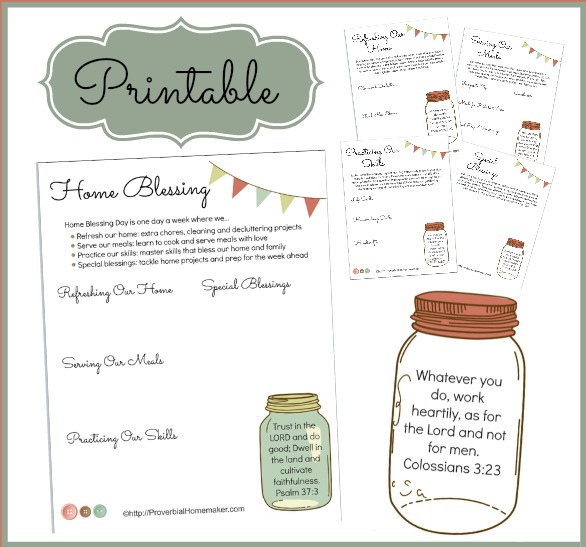
- Saturdays are our “Home Blessing Day,” where we catch up on housework and prepare for the coming week.
- Sundays are Sabbath, and we do a family night in the evenings where we do a game night, go for a walk, or watch a movie and have themed snacks. 🙂 The kids came up with that and we enjoy it!
The Dailies
- Breakfast time will rotate Bible and theology plus World Watch news
- Mid-morning (or mid-afternoon if morning falls apart) will loop through biblical principle lessons and “the ‘riches” which includes all the things like art, music, character studies, special projects, etc.
- During lunch and driving we’ll do history and literature read alouds / audiobooks
- Of course, the kids will do their independent and 1:1 work in the in-between times.
- Evenings are family devotions and sometimes we like a little extra audiobook time 🙂
As usual, we work best with rhythms and routines rather than a rigid schedule, and make use of loop scheduling so we’re not depending too much on things working perfectly (because they often don’t).
Some weeks will be fuller than others. Some Wednesdays will include co-op field trip days. Sometimes co-op homework will spill over or we’ll rabbit trail on a project. That’s real homeschool life.
Resources We’ll Be Using This Year
Buckle up, friends! We are homeschooling 4th, 6th, 8th, 10th, and 11th grade this year, and here’s what we’re doing, in true eclectic homeschooler fashion. 🙂
Keep in mind we homeschool year-round and don’t use all of these all the time.
Bible & Theology
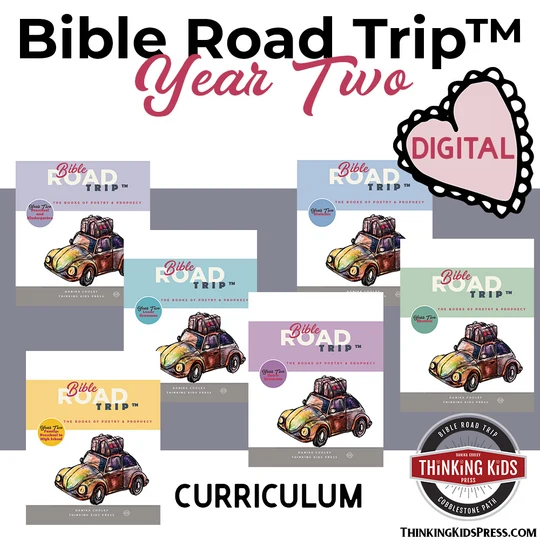
Bible Road Trip is our primary Bible study. It’s a 3-year rotation through the Bible and this year we’re doing Year 2, which covers Job through the end of the OT.
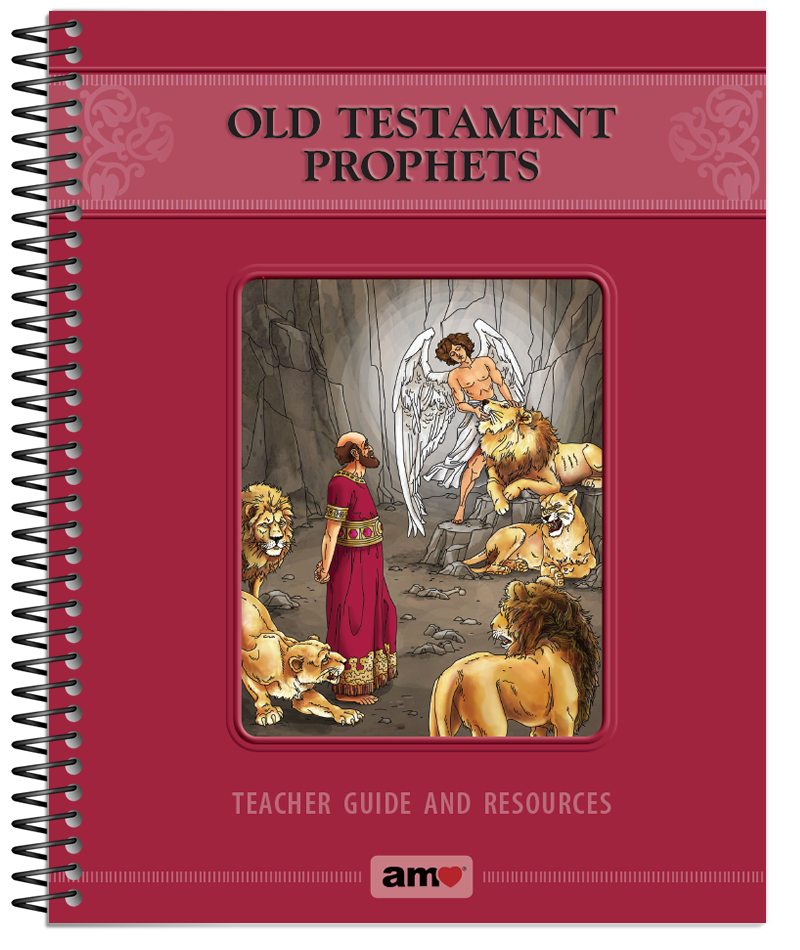
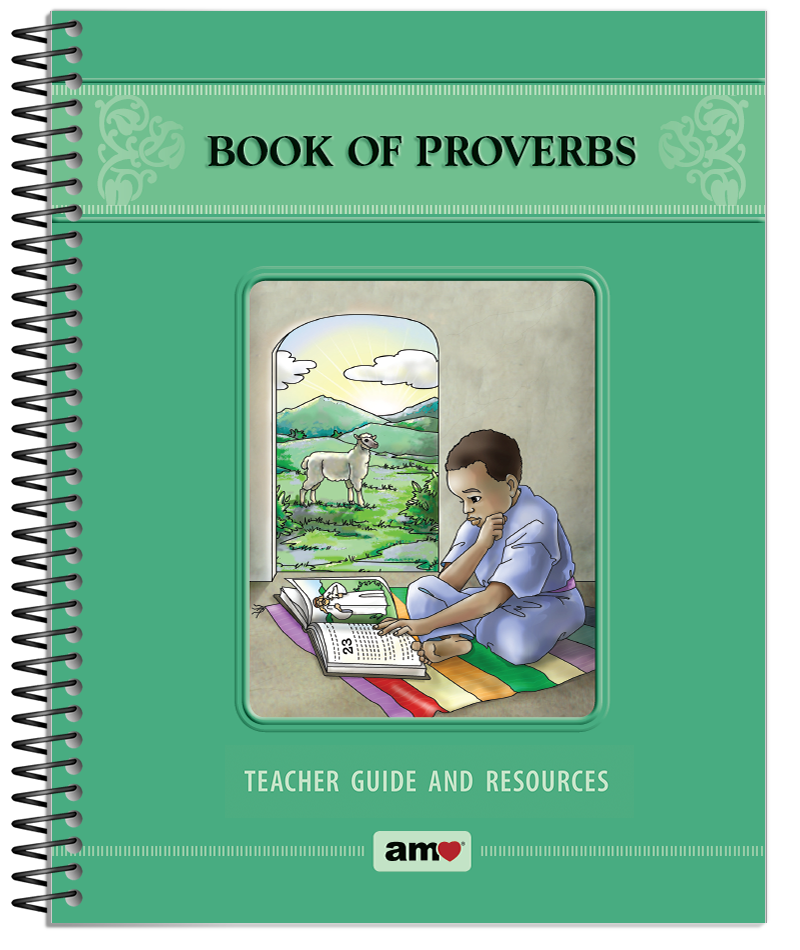
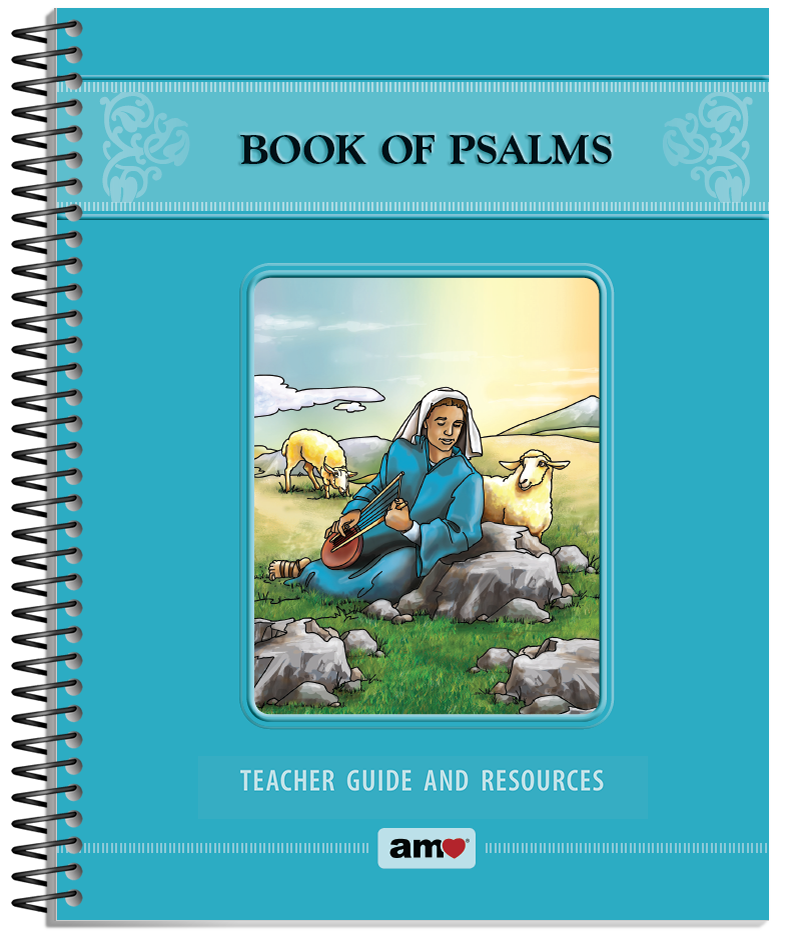
AMO Bible studies — We’ll use these for deep-dives into Psalms, Proverbs, and some prophets as they come along in our Bible Road Trip schedule. We LOVED the studies we did from AMO last year, and I appreciate their biblical principles method.
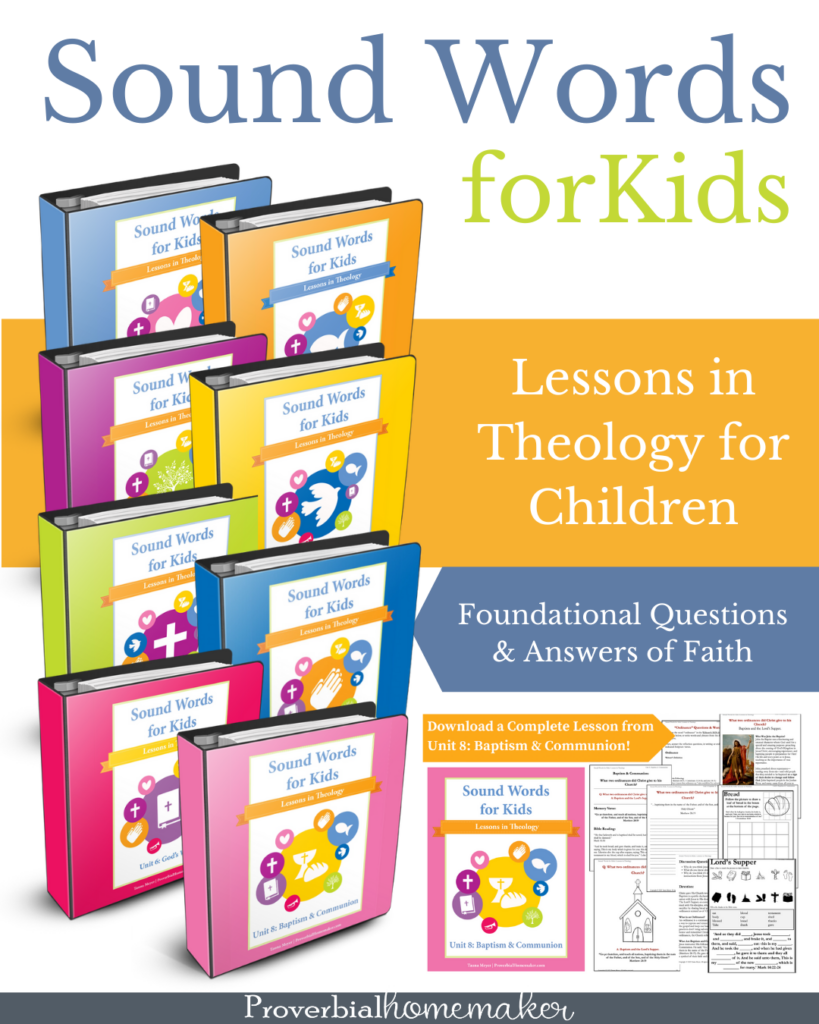
Sound Words for Kids: Lessons in Theology — This resource teaches the overarching themes of the Bible and is wonderful for helping kids make connections across Scripture. We’ll continue working through the units, alternating with our other Bible studies.
Biblical Principles Lessons
Originally, I envisioned doing much more of our history together as a family and focusing on teaching them biblical principles throughout. Co-op, while I’m sure will be a blessing in many ways, has complicated that plan because the kids already have assigned history curricula and coursework there.
Rather than trying to teach another complete history course at home, I’m going to do two things:
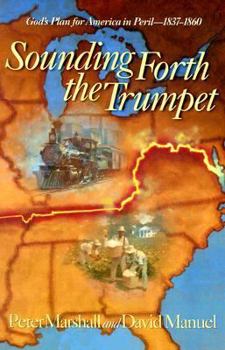
- Read aloud through the Discovering God’s Plan for America for children series together (The Light and the Glory, From Sea to Shining Sea, and Sounding Forth the Trumpet). It’s an easy-reading, providential view of American history. I think it will supplement their other studies nicely and provide for group discussions. I haven’t read it before, so I’ll let you know what I think.
- Plan and teach at least one intentional biblical principles lesson each week--this isn’t just for history, but many times I’ll pull from key ideas, events, or people from the kids’ history studies to do a deep dive together.
These two regular activities allow me to keep us together for history, to some degree, and continue teaching all the subjects through the biblical lens I want our children to develop without adding too much to what they’re already doing at co-op.
What do I mean by “biblical principles” study? We’ll choose an event, person, idea, current issue, or character topic each week and use Scripture to identify, reason through, and apply the biblical principle behind it. You can read more about teaching with biblical principles here. Some examples that we’ve done in the past are studies like this on math as a subject (God created math), the Mayflower Compact, seasons (in nature, life, nations, etc.), sunflowers, Jacob/Israel, and the Reformation.
Character / Discipleship
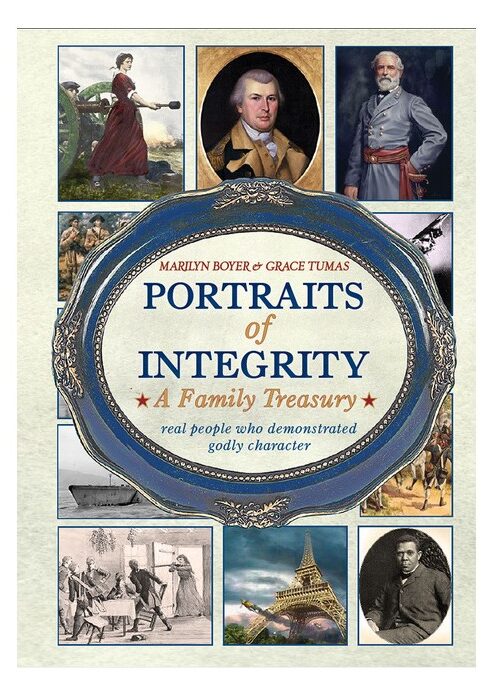
Portraits of Integrity from Character Concepts is wonderful and goes through American historical figures, teaching godly character traits.
Polished Cornerstones (girls) and Plants Grown Up (boys) from Doorposts for discipleship and personal habit training.
Science
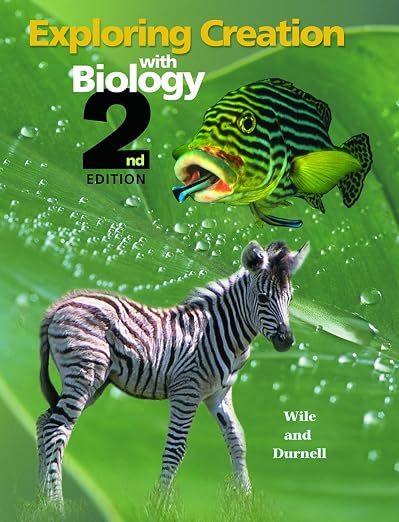
Apologia Biology 2nd Edition (Co-op) — My 10th grader will be doing this with co-op. She did biology along with her older sister a few years ago but she was in the 8th grade and has decided to repeat it. Probably because she’ll get to do it with more friends. 🙂
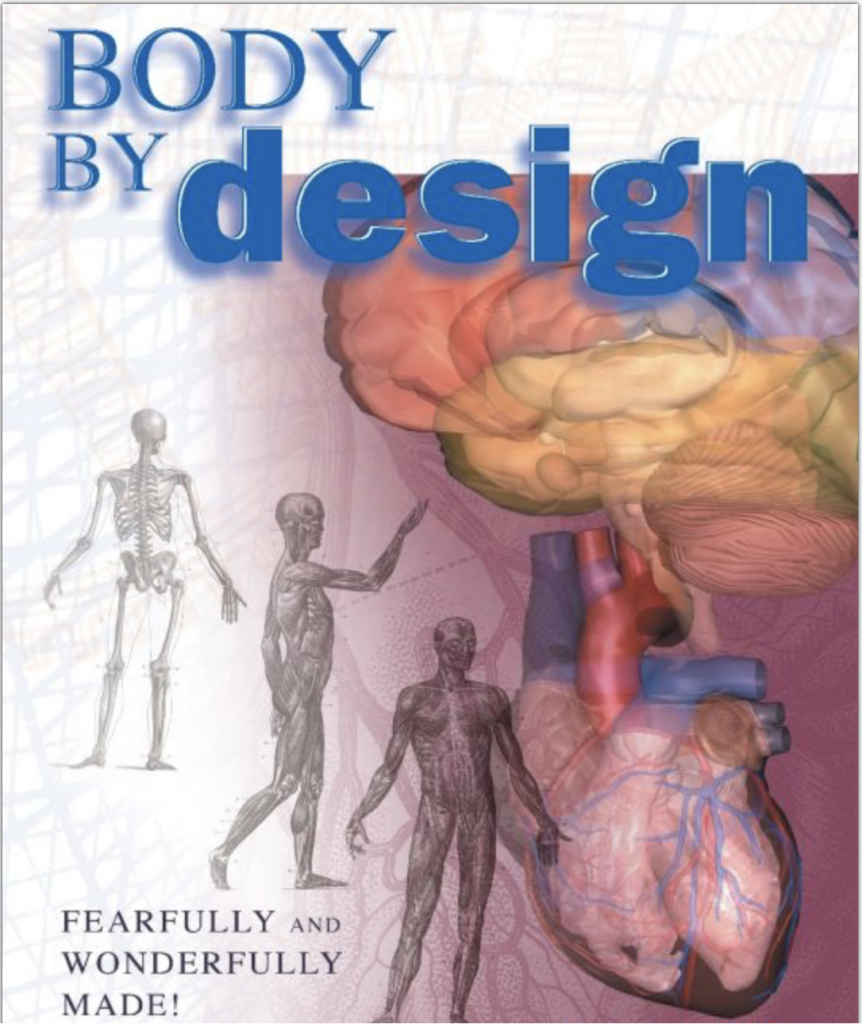
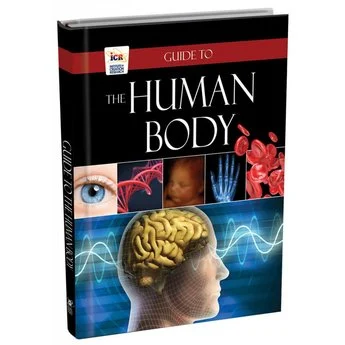
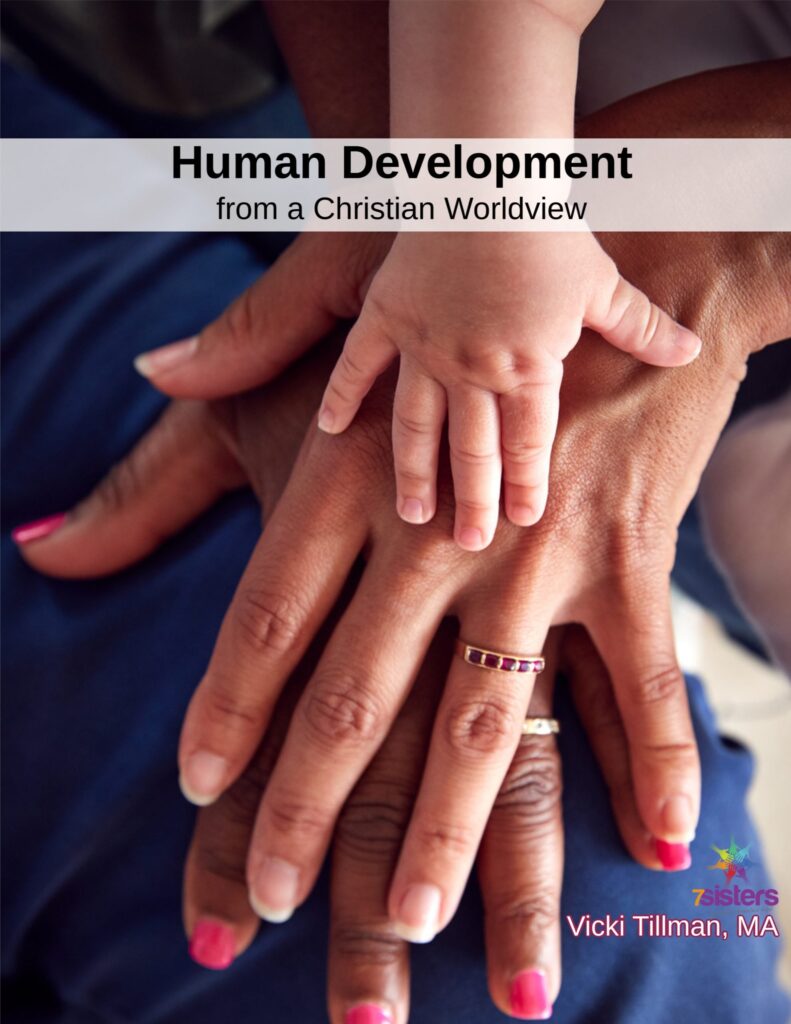
Human Development, Anatomy, & Psychology — My 11th grader has zero interest in repeating biology (and no need for another lab science on her transcript) so we’re pulling together some resources to compose a course she IS interested in. The first two are intended as full courses, but we’ll work things out so it’s a normal credit workload that pulls from all the resources. We’ll figure it out as we go.
- Human Development from a Christian Worldview – From 7 Sisters Homeschool. It studies the physical, cognitive, social, and emotional changes at every life stage
- Introduction to Psychology from a Christian Perspective – From 7 Sisters Homeschool (her older brother shares some of the lessons with her when he went through it and it piqued her interest)
- Body by Design – This is a relatively short, engaging, high school level and Christ-centered exploration of the 11 body systems from a Christian perspective.
- Guide to the Human Body – Full of beautiful color illustrations and photos, this is a lighter text from Institute for Creation Research, but a great companion for Body by Design.
Science in the Age of Reason (Co-op) – My 4th grader will be using this one from Berean Builders. This series teaches science using history as the spine, covering scientific concepts as they were developed. It’s such an interesting idea! We’ve never tried it so I’m curious to see how it goes.
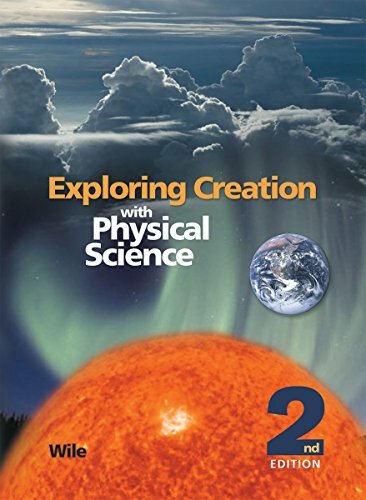
Apologia Physical Science 2nd Edition (Co-op) – The 6th and 8th grader will be using this to study “a solid foundation in physical science topics including chemistry, physics, weather, simple machines, and the atmosphere—all from a biblical, creation-based worldview.”


History
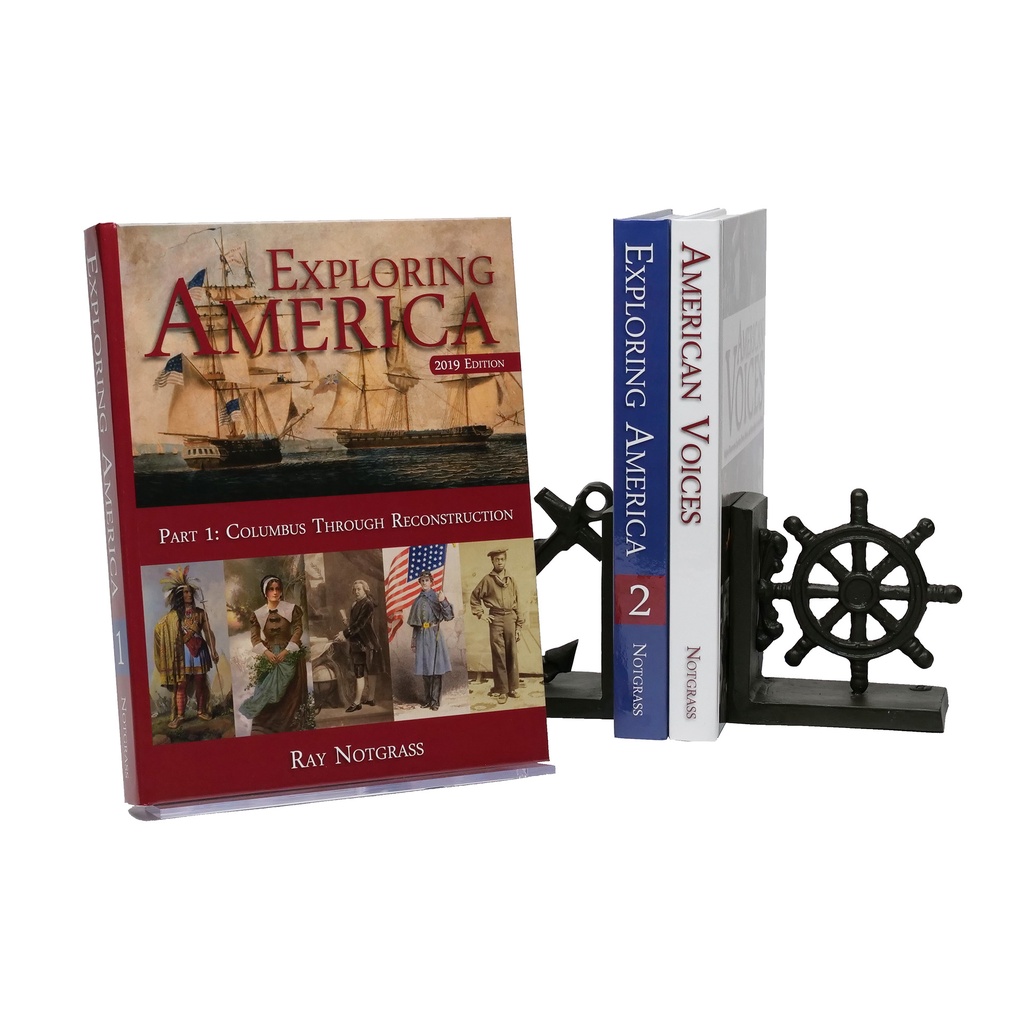
Notgrass Exploring America 4th Edition (Co-op) – The two high schoolers will be going through this 1-year American history course from Notgrass. It’s new-to-us so I’m curious to see how it goes. I appreciate its use of primary documents.
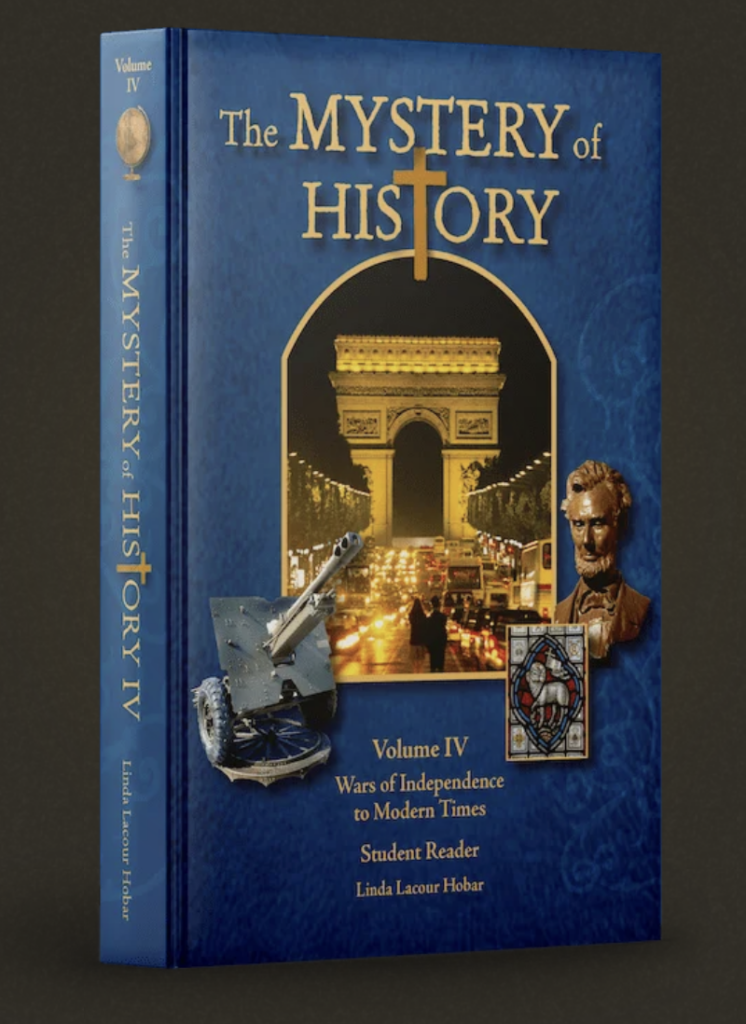
The Mystery of History (Co-op) – The boys will be doing The Mystery of History Volume IV. We’ve always enjoyed this curriculum and have pulled it out often, so it will be an easy transition for them!
Story of the World Modern History (Co-op) – Story of the World is not what I’d prefer (you can see my reasons why here, and I am more convinced now than when I wrote that post). However, the modern history portion has the least issues, and he’ll get the history activities and reading with us at home, so I’m overlooking it for now. Once we get to know the co-op a little better I will gently bring up my concerns. But I don’t think it will be a big problem for us this year.
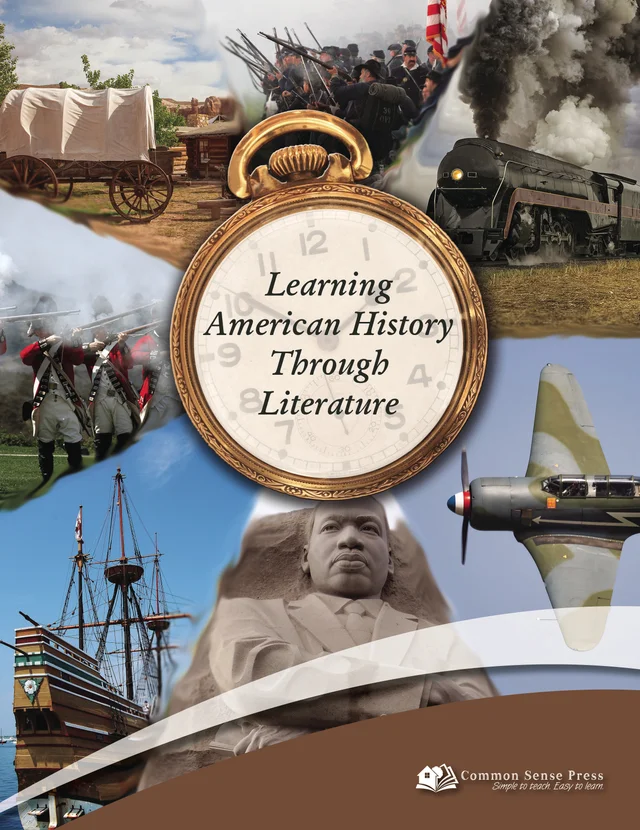
Learning American History Through Literature – This is where I’ll pull our historical family read-alouds from as well as fun projects and activities we can do together. This can be used as a stand-alone curriculum, too, but my goal for this year is to use it to pull us together on a history thread we can enjoy as a family!
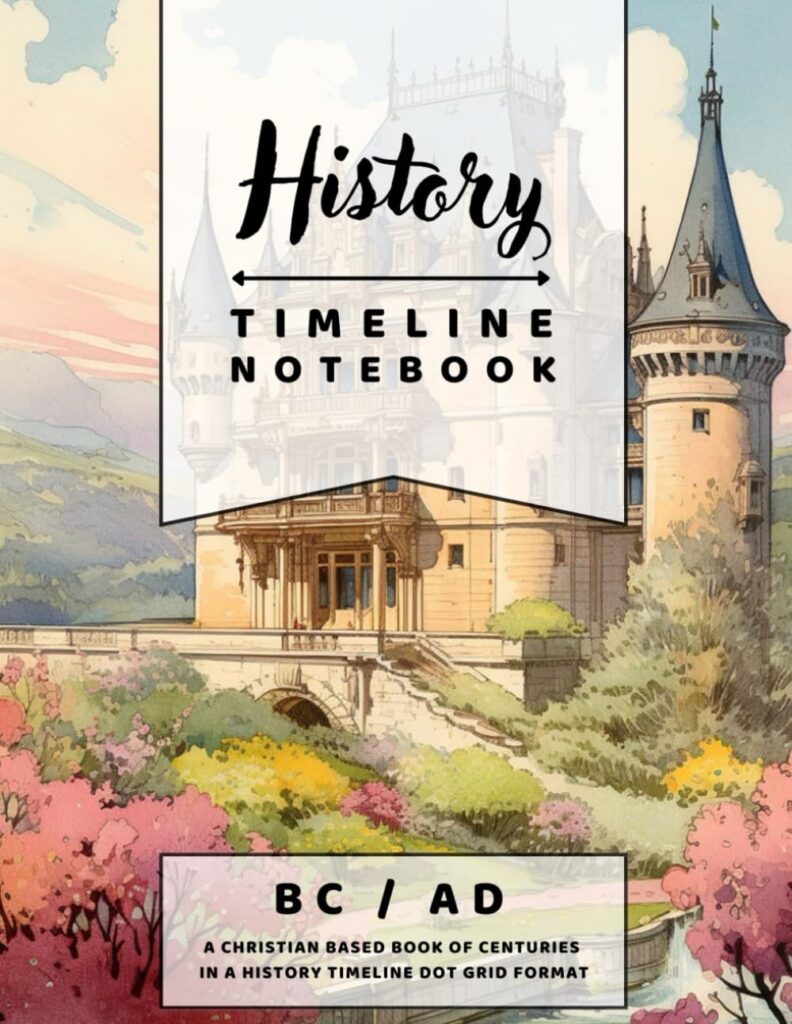
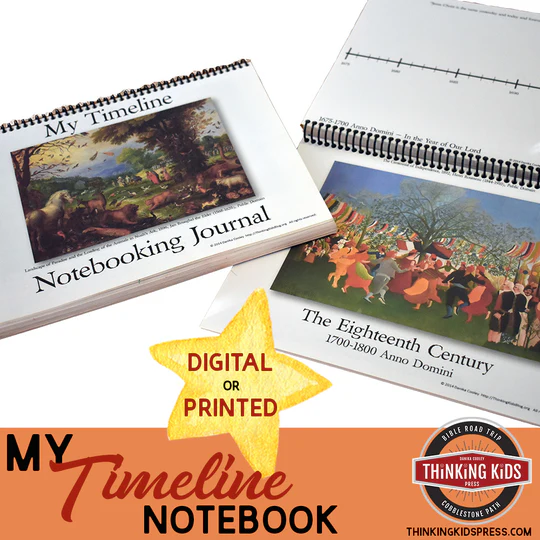
Timelines – They’ll all continue entering key events and people in their timelines. the olders do this timeline from Thinking Kids Press, and the youngers use these.
Language Arts
Co-Op Classes:
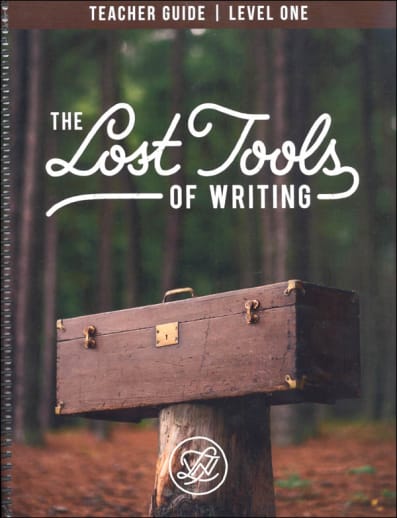
- The Lost Tools of Writing Level 1 (Co-op) – For 9th and 11th grade
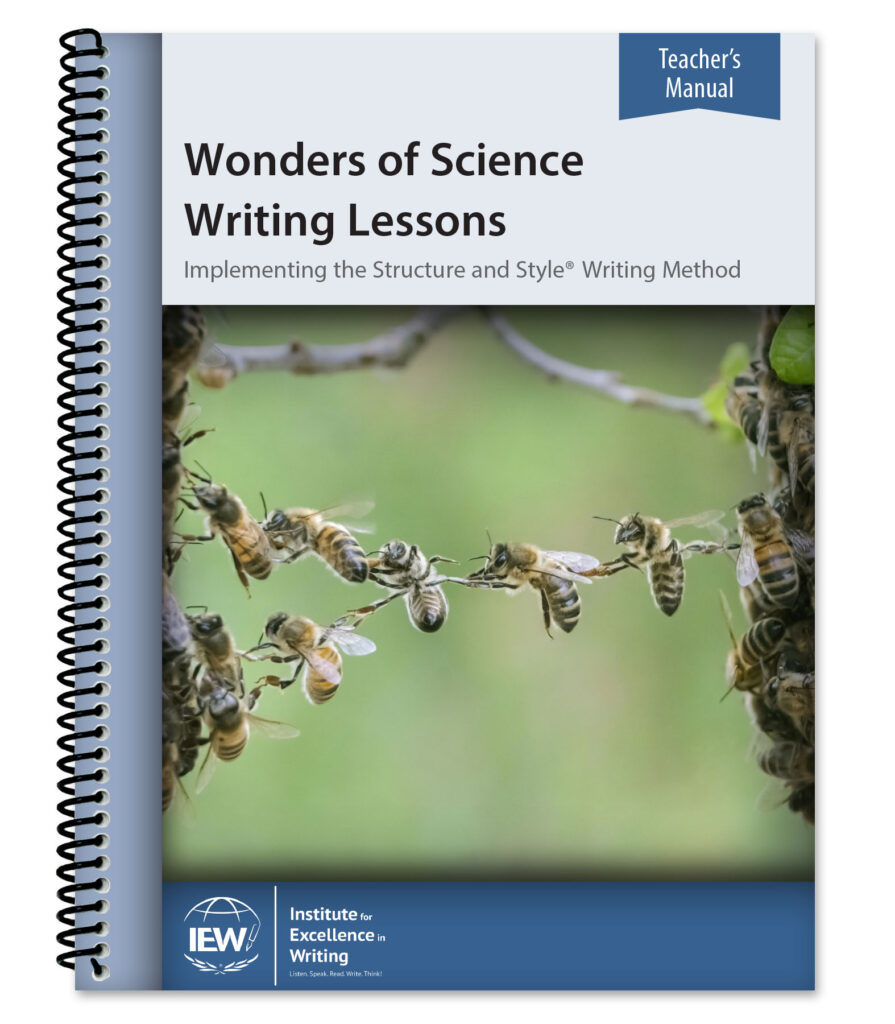
- IEW – Wonders of Science (Co-op) – For 6th and 8th grade
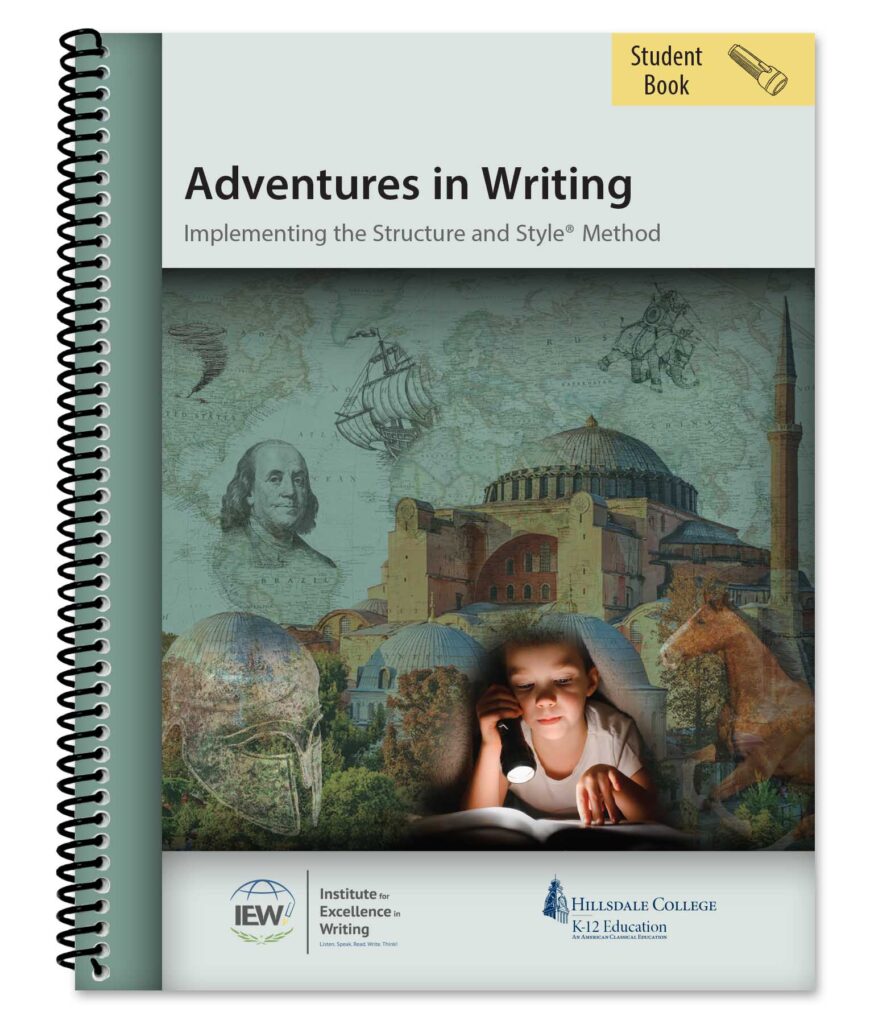
- IEW – Adventures in Writing (Co-op) – For 4th grade
Other Language Arts Activities:
Language Arts is the least tidy subject for us this year. In addition to co-op classes in writing, my kids have other writing goals and also need to work on some grammar, cursive, and spelling, not to mention needing to add literature. I figure with the other core subjects off my plate, for the most part, this is a good year to finally really focus on these skills.
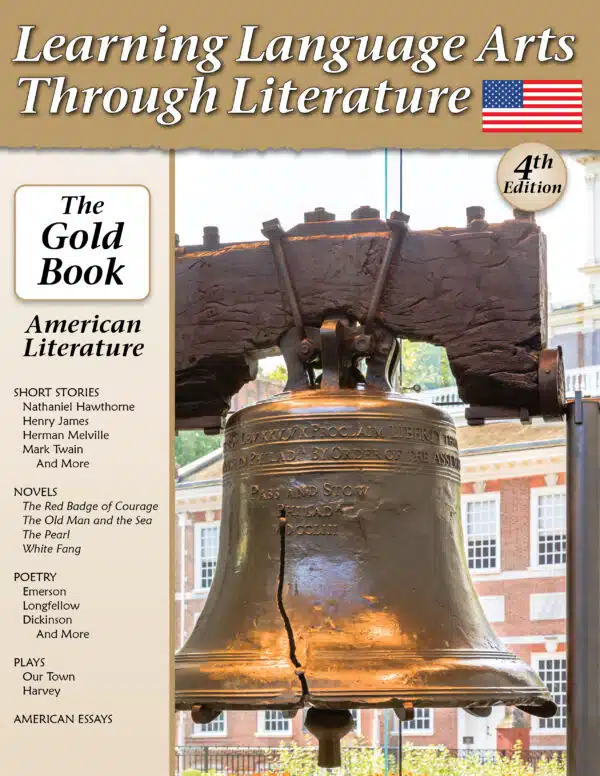
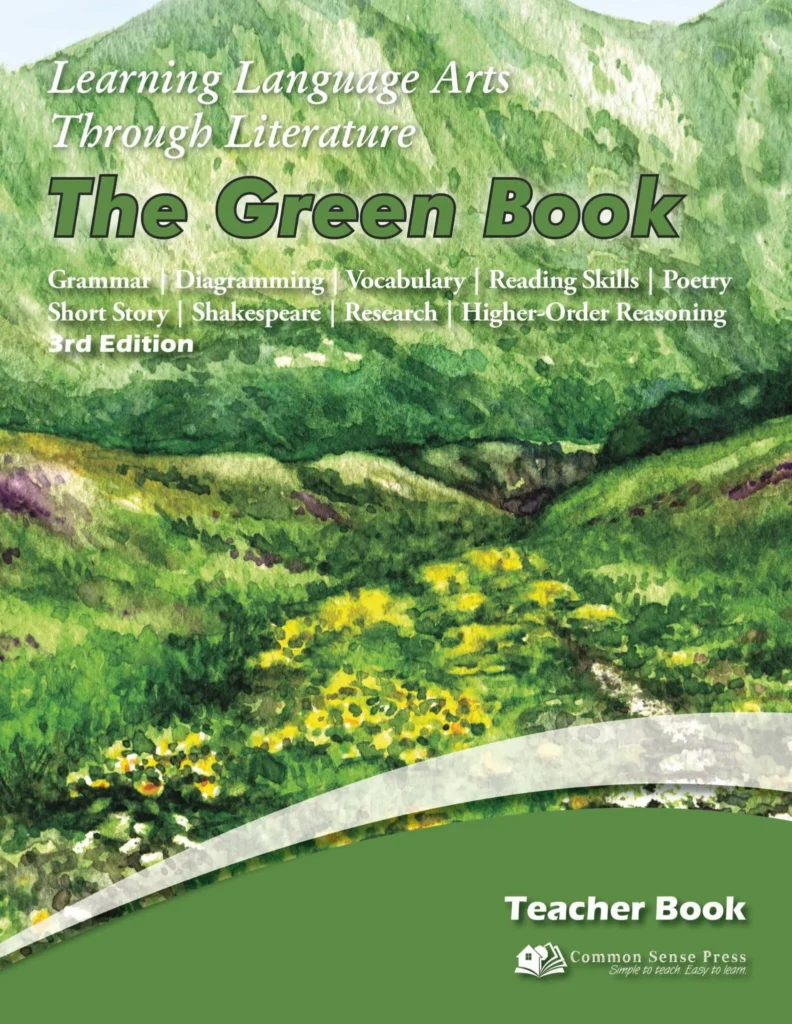
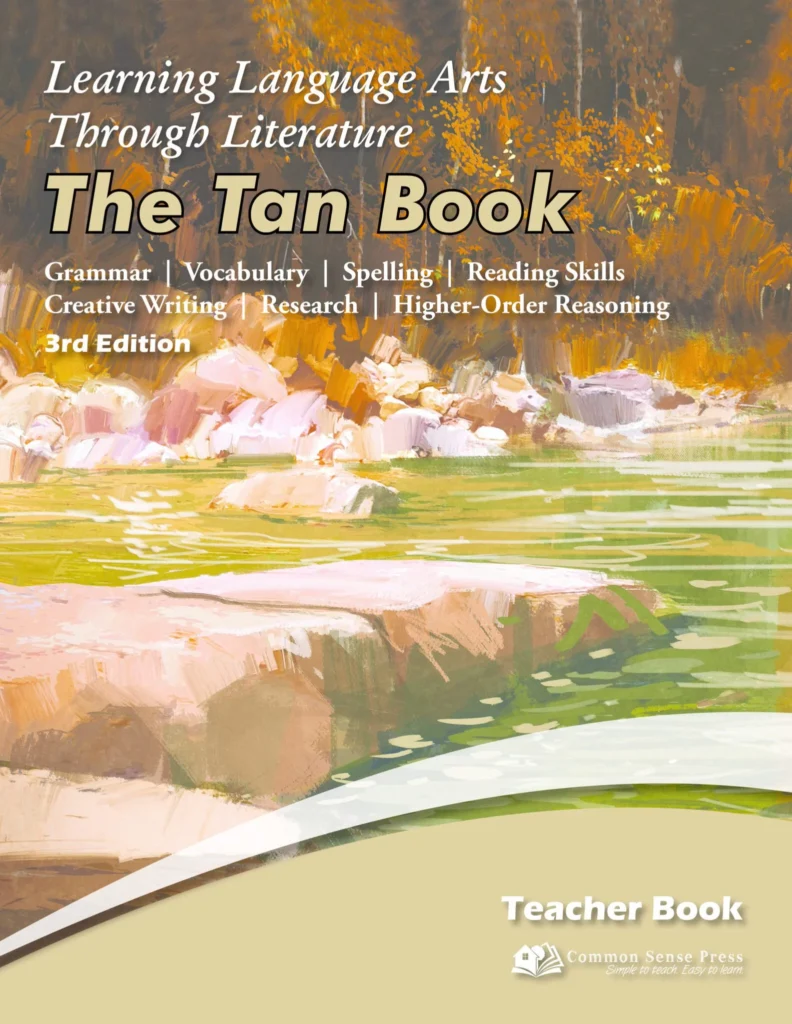
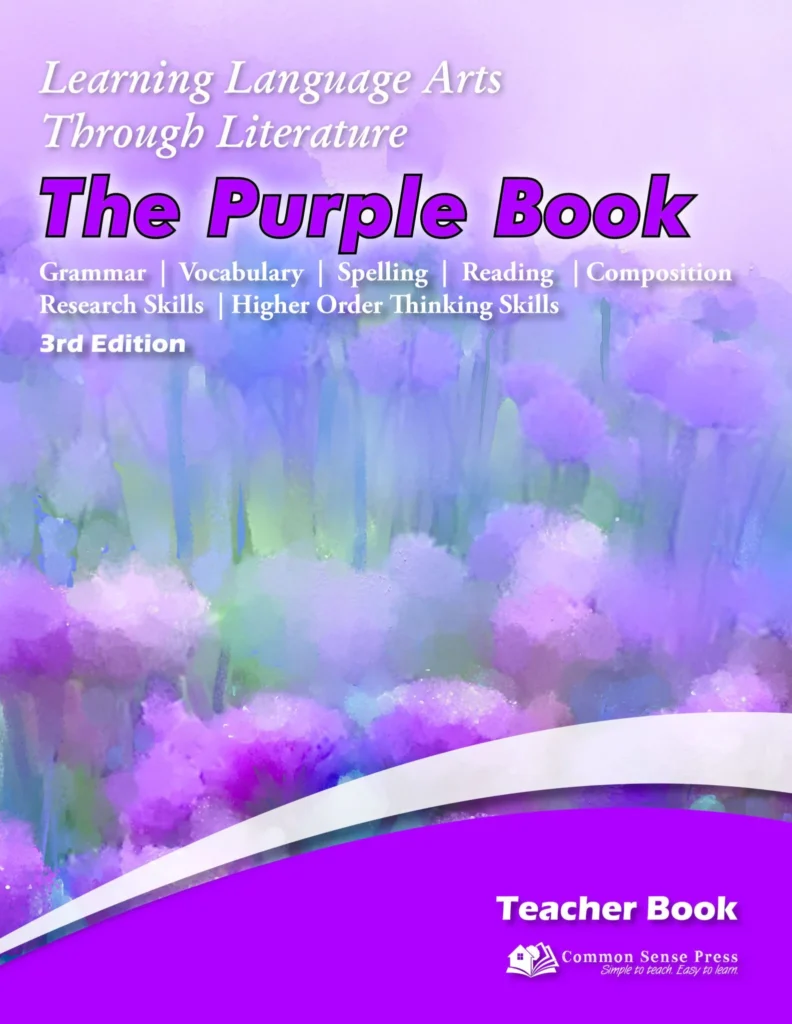
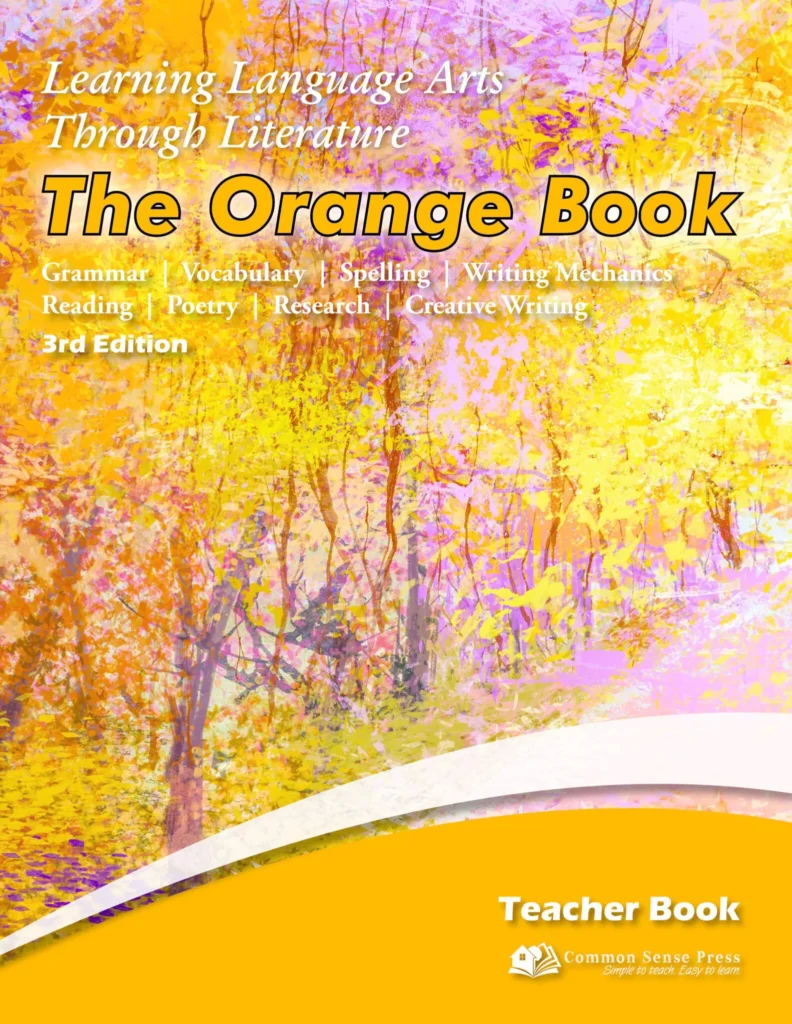
Learning Language Arts Through Literature – We started LLATL over the summer and I REALLY like it. After 15 years of homeschooling this is the first all-in-one LA program I like. We’ll continue with it for all my kids but keep the writing assignments at a minimum since they’re doing a lot of writing with co-op. The goal will be to use it for some literature, grammar, vocabulary, and other components that complement rather than unnecessarily duplicate their co-op work.
- Gold Book (American Literature) – For 9th and 11th graders
- Green Book – For 8th grader
- Tan Book – For 6th grade (he’s working through Purple now)
- Orange Book – For 4th grade
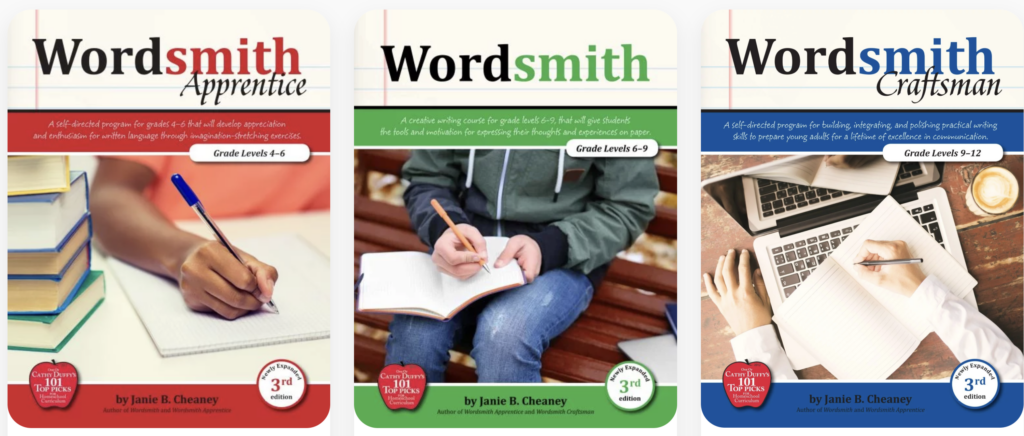
Wordsmith – This covers grades 4-12. We started this over the summer to keep their writing skills up and as a companion to LLATL. So far we really like it. We’ll use it here and there throughout the year for things not covered by their writing curriculum, and then pick it up again fully in the summer.
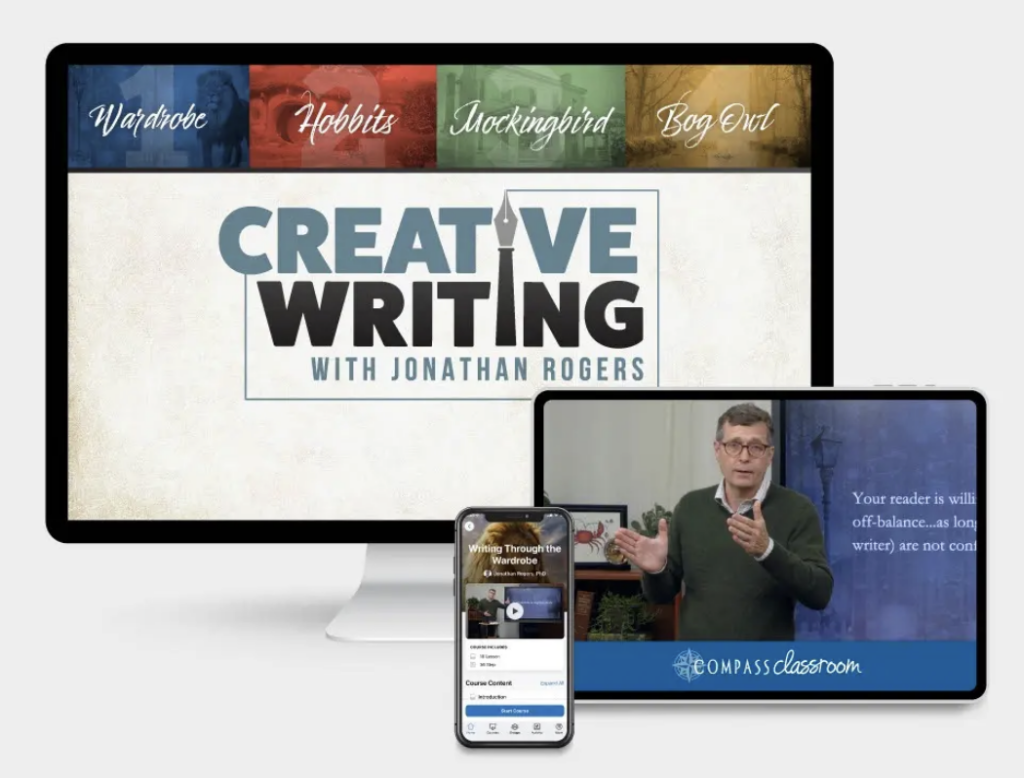
Creative Writing Series with Compass Classroom – My 10th grader loves writing fiction and has several novel ideas and starts at novels. She really wanted to make this a part of her school this year. She chose the Creative Writing series from Compass Classroom and will go through the Narnia, Bog Owl, and Hobbit units to help her boost her fiction writing skills.
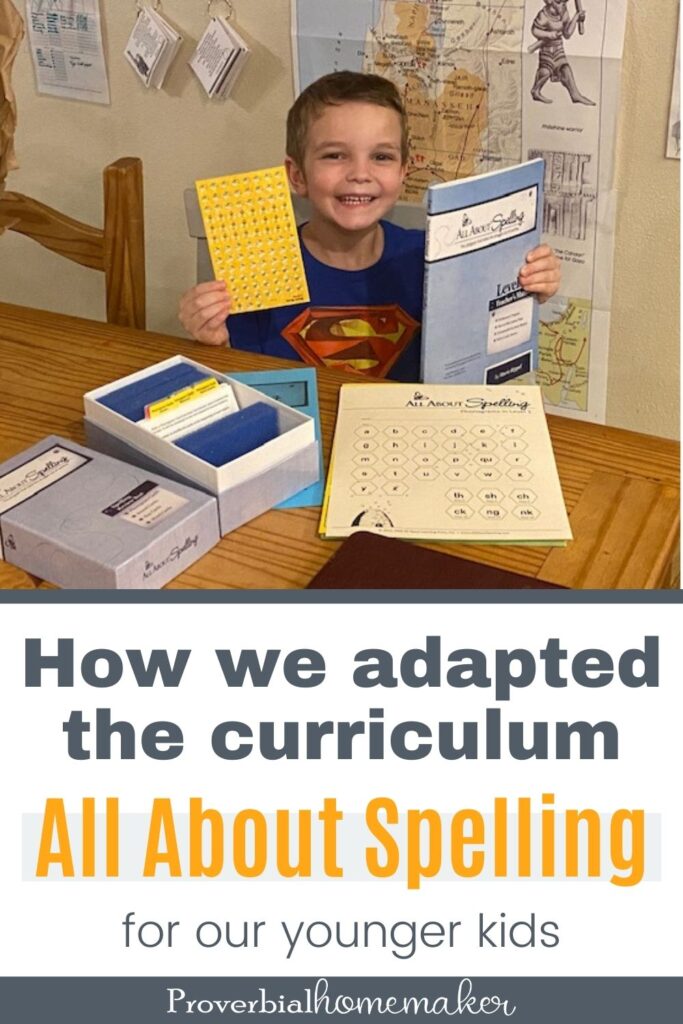
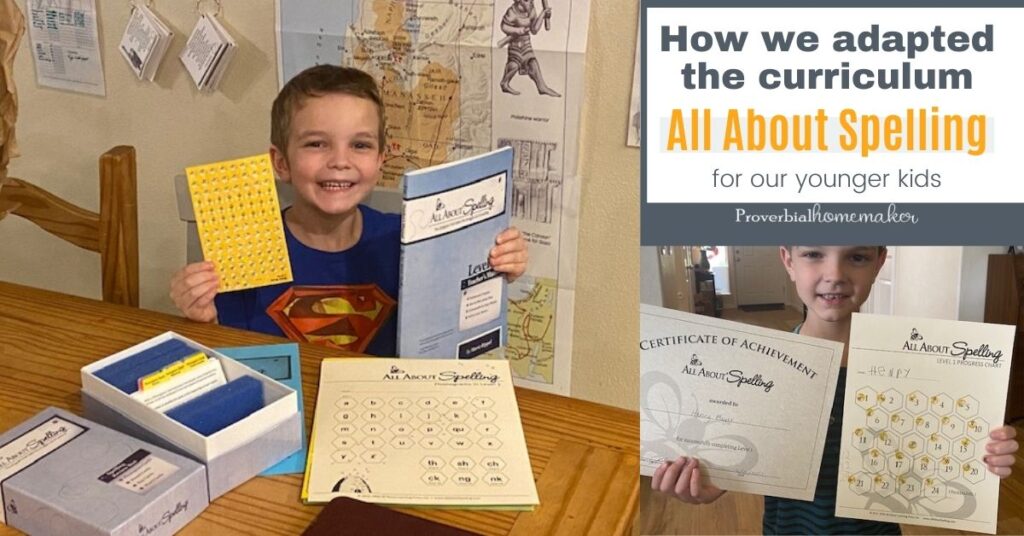
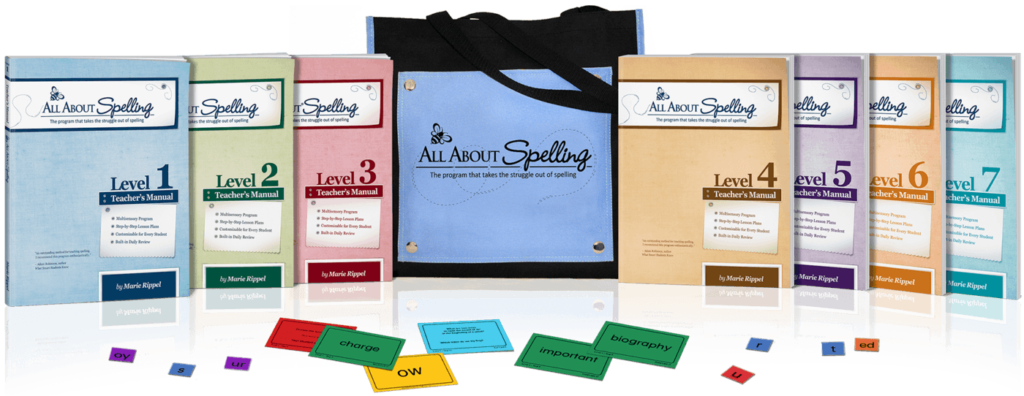
All About Spelling – I have some kids still working through these levels and plan to continue, since we’re on a roll. It’s especially helpful for the ones who struggle with dyslexia and language processing issues. They’re also all keeping a spelling journal using How to Teach Any Child to Spell as a guide so they can focus on targeted practice for words they actually miss in their other writing.
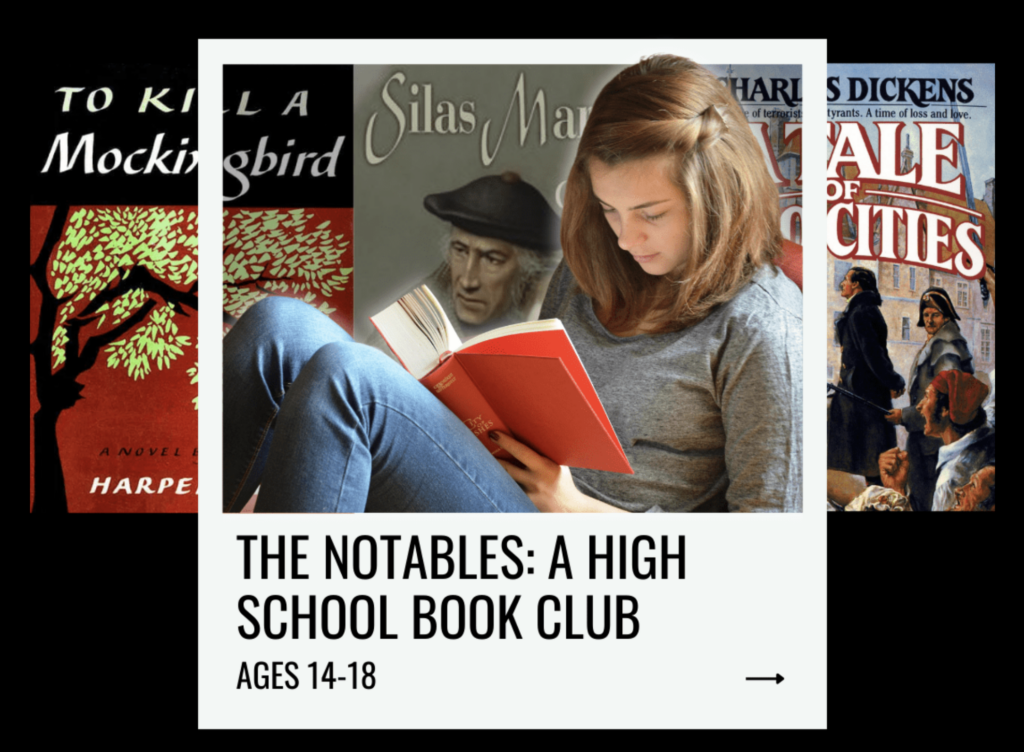
Notables Book Club with Lemons-Aid – My 11th grader is a big reader. The biggest, really. It’s insane how much she reads each week. My challenge with her is keeping quality books in front of her, especially since she loves to talk about them instead of just read them. I can only squeeze in so much reading, myself! So, in the past few years I’ve looked for Christian homeschool online book clubs to help with that.
My latest find is Lemons-Aid Learning, which teaches all kinds of classes, many specifically with a biblical worldview, and has several book clubs. (Score!) This summer she participated in the Jr. High level one over the summer for some light reading and really enjoyed it, as well as a short story class she is working through now. In the fall, she’ll be doing their Notables high school book club and is very excited! She’ll be able to read challenging and interesting books and discuss them from a biblical perspective with other students and the teacher.
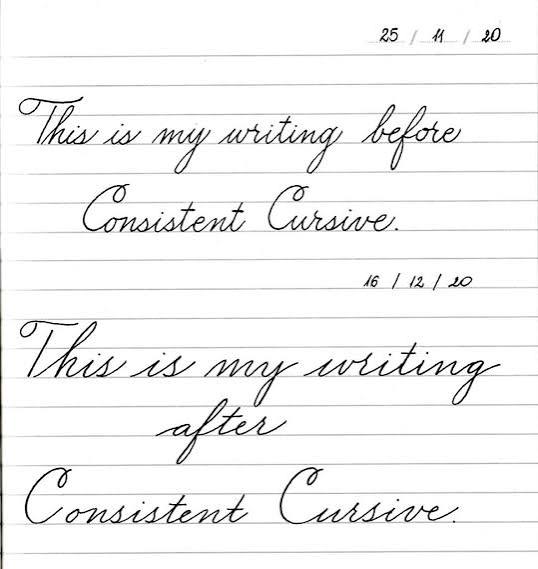
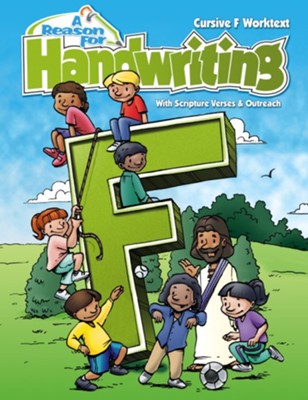
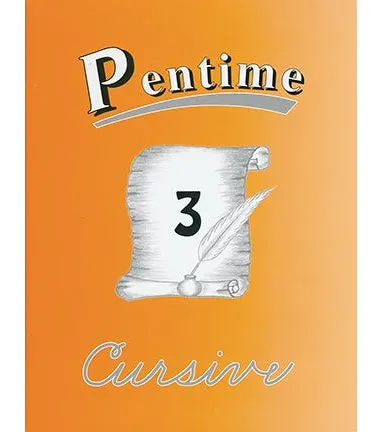
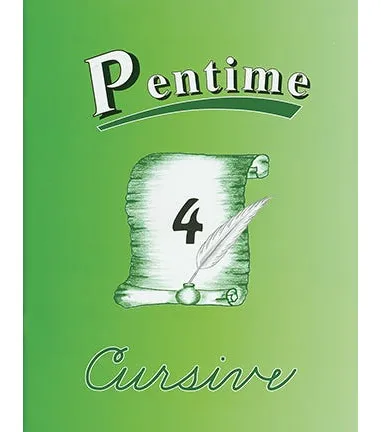
Handwriting – My oldest three will use the free online course Consistent Cursive. The 6th grader will continue with A Reason for Handwriting since he still has a few of those workbooks. My 4th grader will do Pentime level 3 and 4.
Math
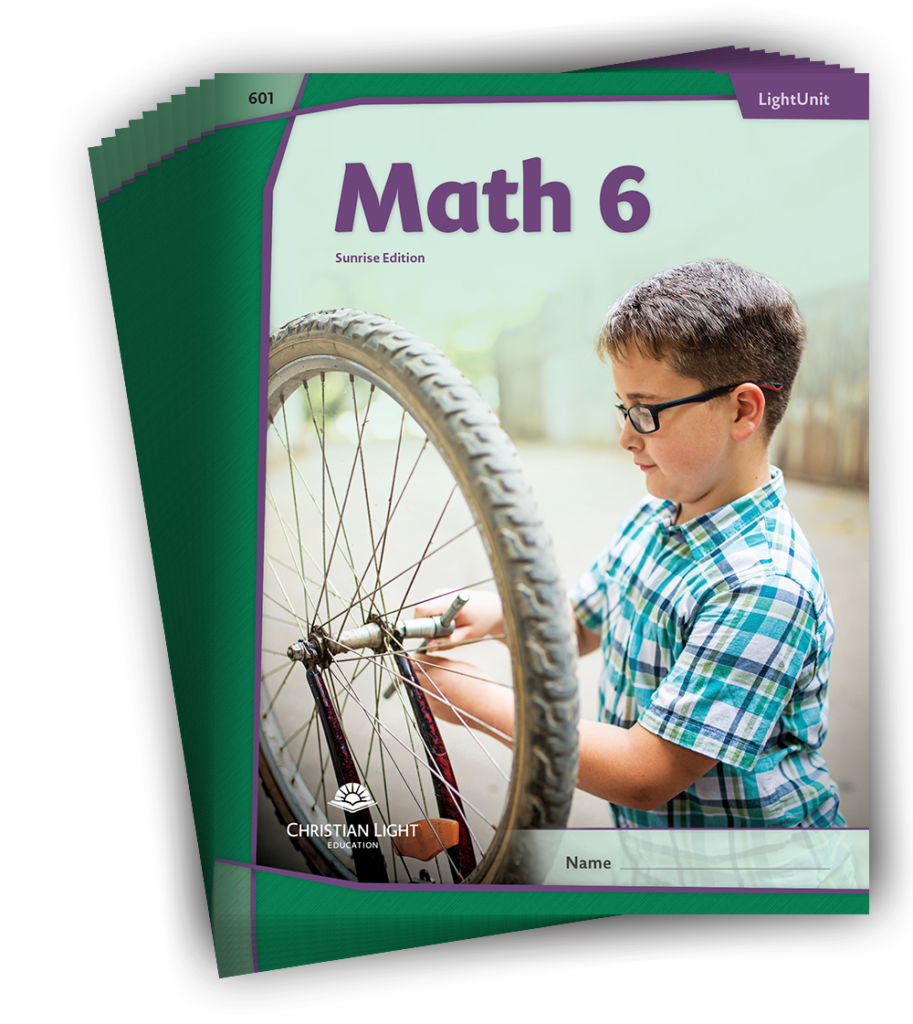
Christian Light Education Math – Level 6 for my new 6th grader. This is a fantastic traditional math curriculum and he’s doing so well with it. You can read my full review here.
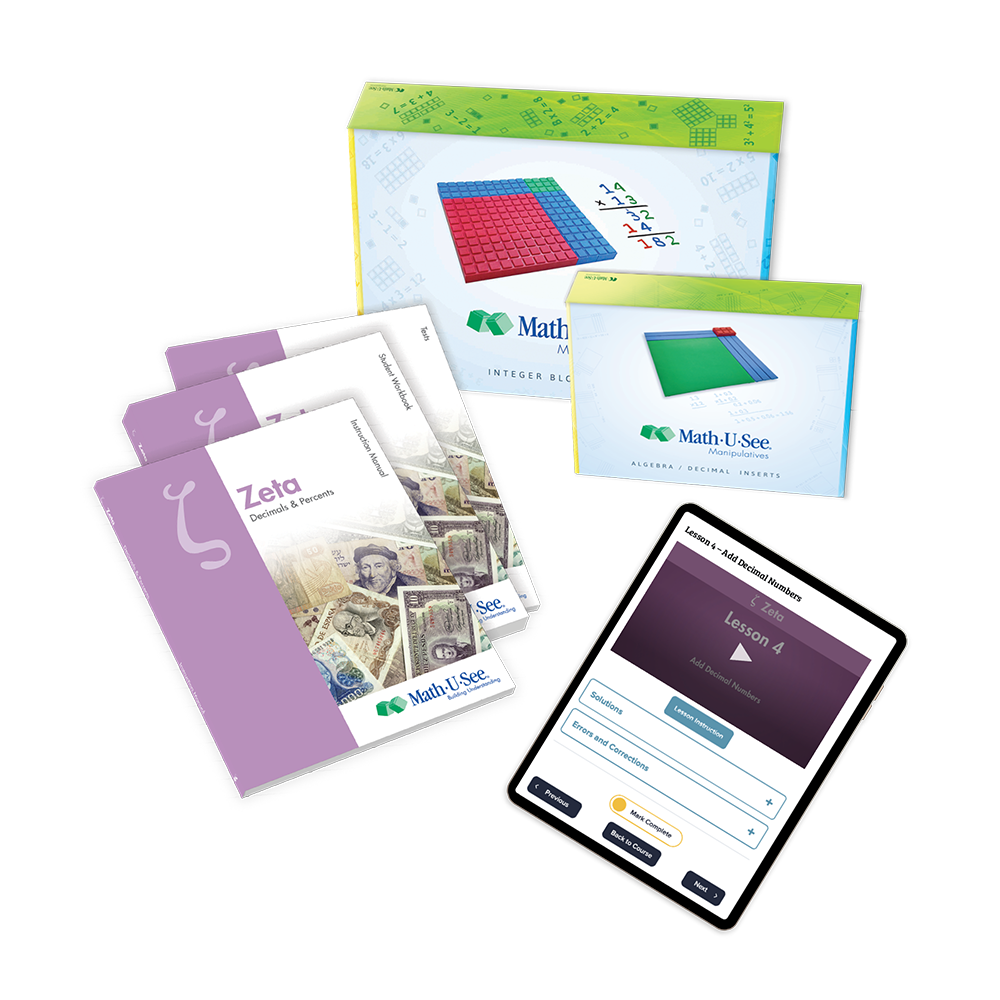
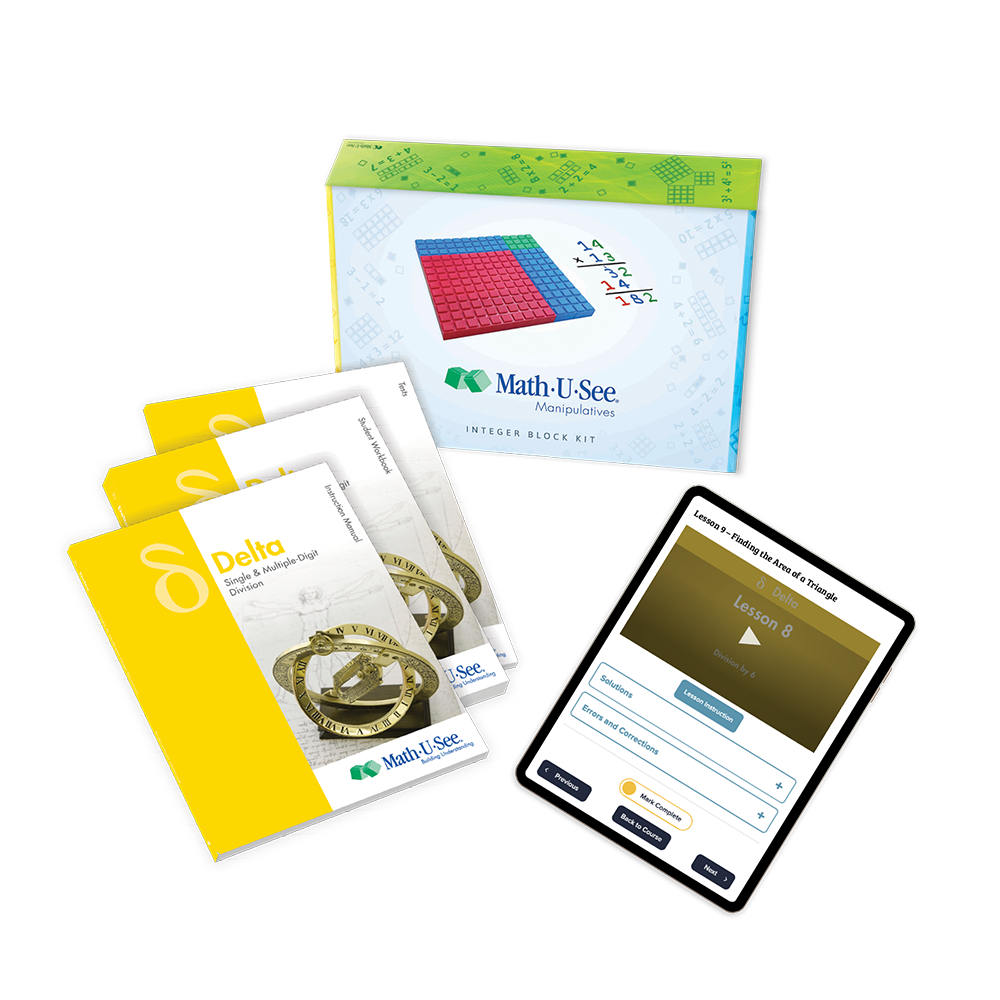
Math-U-See – My 4th grader is finishing Gamma and will complete Delta this year. The 8th grader is finishing Zeta before going into Denison Pre-Algebra sometime during the year.
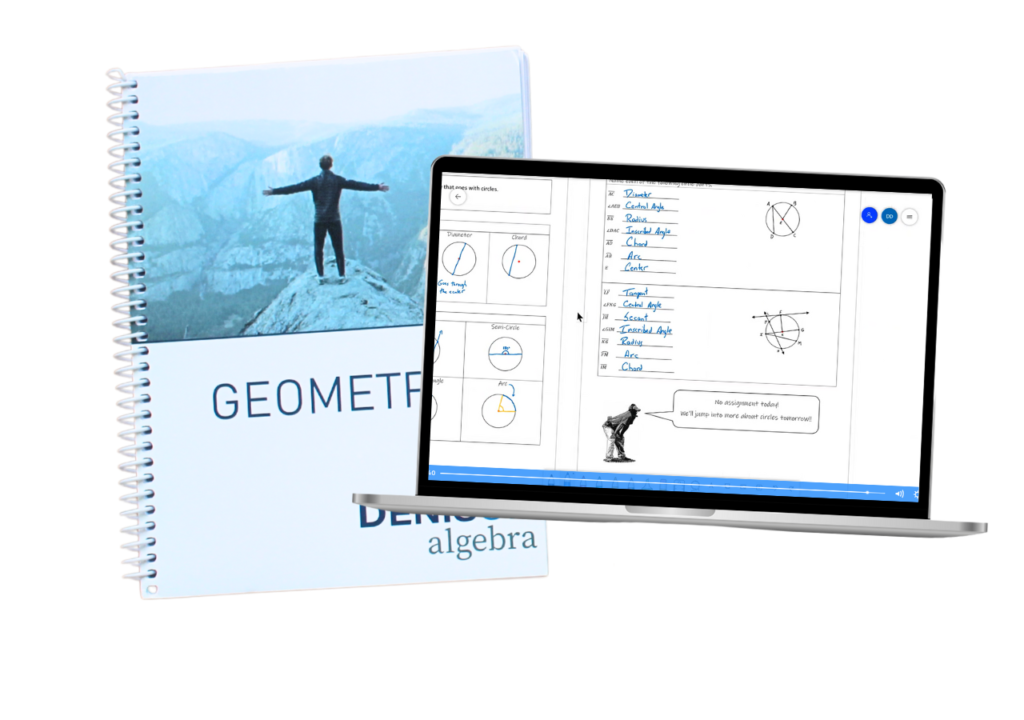
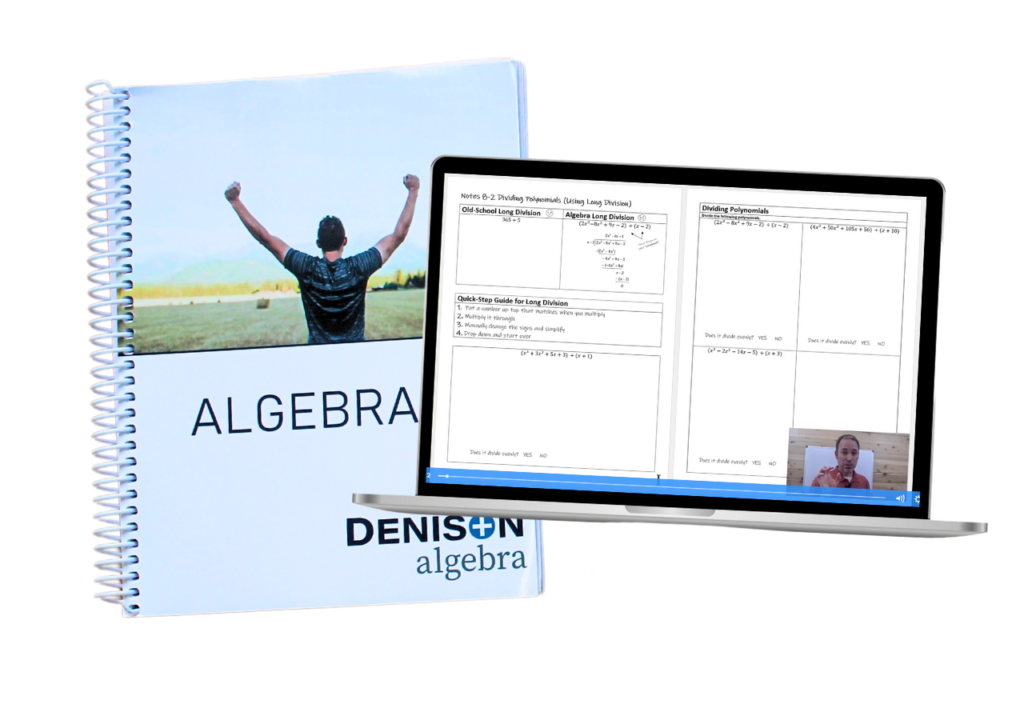
Denison Algebra – Geometry for the 10th grader and Algebra 2 for the 11th grader.
Foreign Language
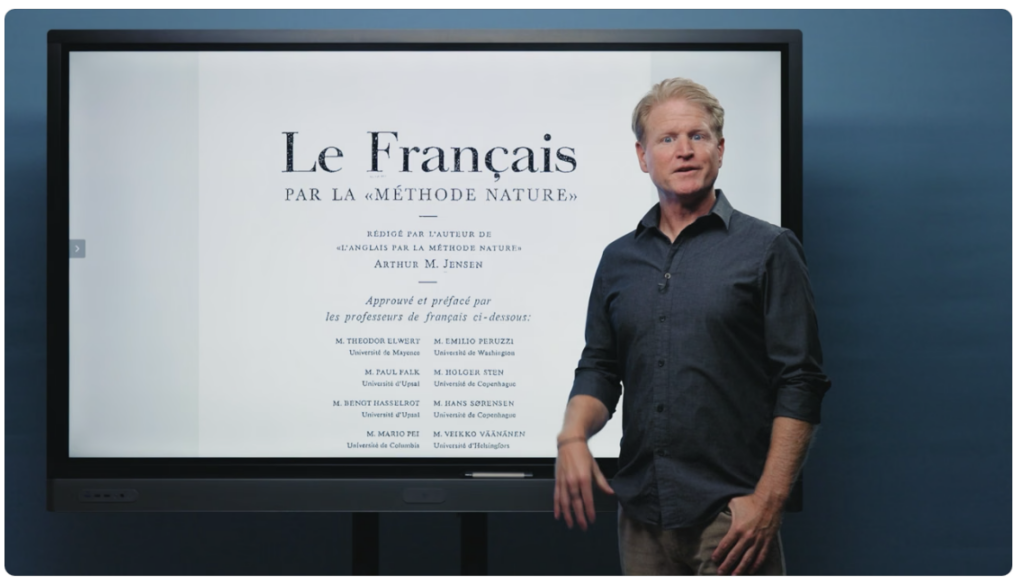
Dwayne Thomas Languages Membership – This membership will give us access to French 2 by the same guy who made Visual French 1 at Compass Classroom, which my daughter is finishing up now. She LOVES it. (Visual French 2 is not yet available on Compass Classroom but they said it is in the works.)
It will also give us access to German 1, so I’ll probably have my 10th grader do that. She worked on German last year in Rosetta Stone but it wasn’t easy because of the platform limitations. She enjoys German, so she doesn’t mind starting fresh with a new program this year.
Other Electives
Home Economics
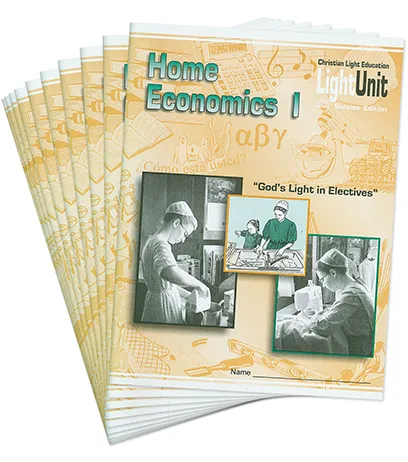
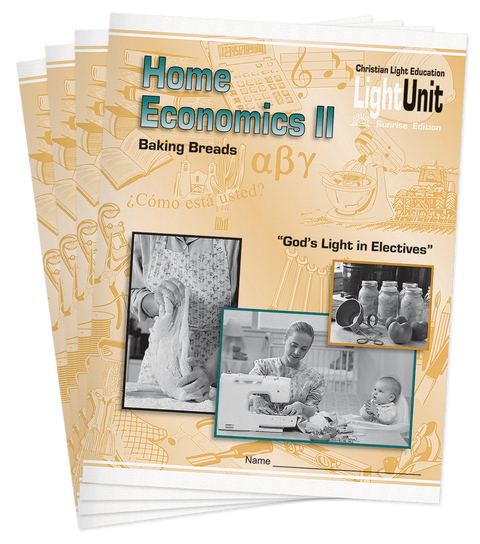
Home Economics I and Home Economics II from Christian Light Education – I’ve heard great things about this curriculum, so we’re giving it a try! I’ve tried to do something like this on our own each year but it gets pushed aside. Having the curriculum as a guide will help.
My 11th grader will mostly read through it without filling out the workbooks, but will do many of the projects. I also got her some homemaking books to read and reference as well, including The Hidden Art of Homemaking by Edit Shaeffer. My 10th grader will go through the Home Economics course as well and actually fill in the workbooks.
Physical Education
Some of my kids do sports, but others need to get more active Last year we used F.O.R.M. Curriculum for PE and it was really helpful. My sports kids enjoyed it, too! We’ll continue with it this year. It’s a Christian program, too, which is wonderful.
Computer Skills
My high schoolers will go through the self-paced Computer Applications course from FundaFunda Academy. My oldest learned lot of that through the other online courses he took with FundaFunda. My husband mentioned it would be nice if the girls learned that as well even if they aren’t taking other online classes, so we’re adding it in!
Career Exploration
My 11th grader (and maybe my 10th) will be going through the 7 Sisters Homeschool curriculum for career exploration. My oldest went through it and found it helpful!
Art, Animation, & Music
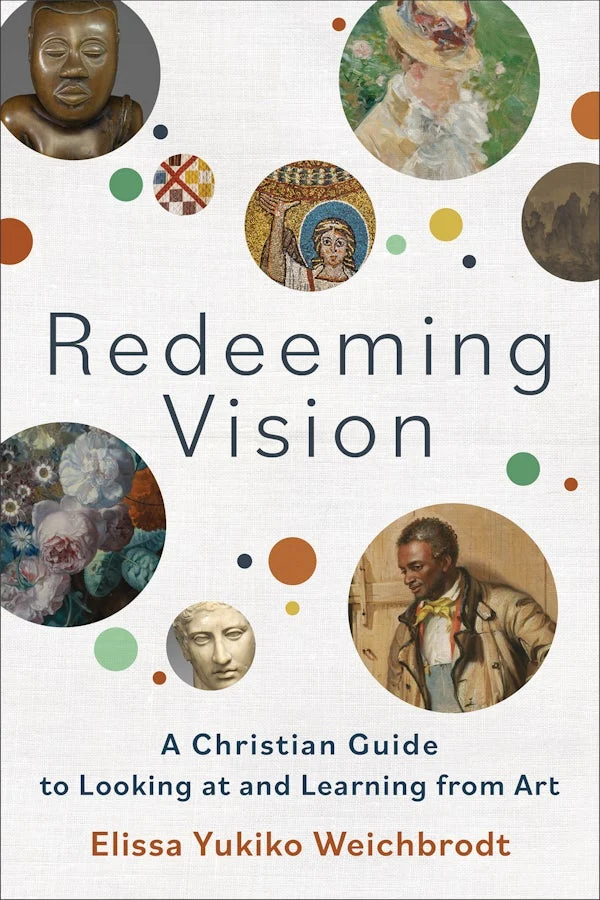
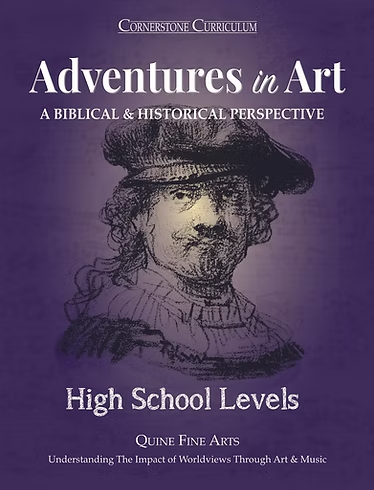
Art Appreciation with Cornerstone Curriculum — I am so thankful for this find. It’s a very Christ-centered resource that presents art with a biblical perspective. We’ll do the Intermediate level as a group next (we’re finishing up beginner level now). My oldest daughter will also do the Adventures in Art: High School Level and read through the book Redeeming Vision: A Christian Guide to Looking at and Learning from Art by Elissa Yukiko Weichbrodt.
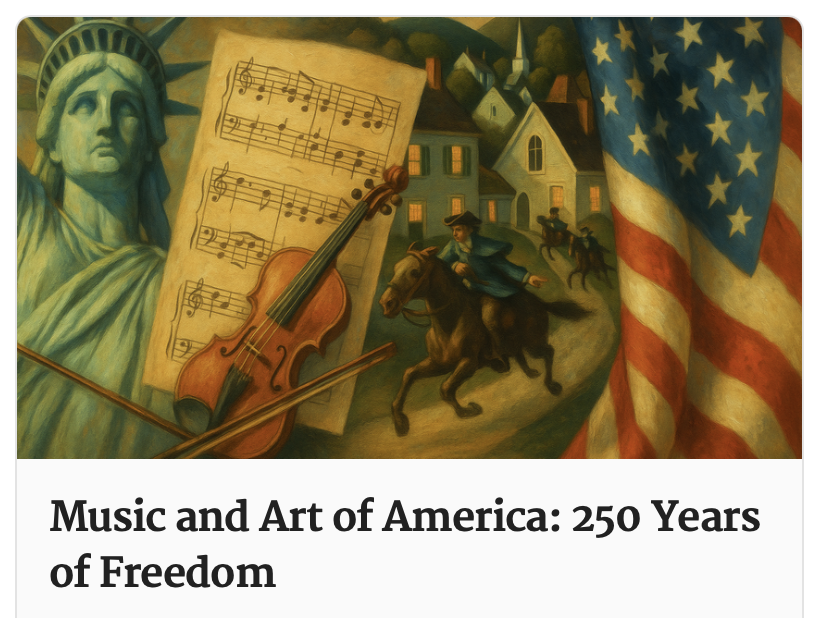
Music with Music in Our Homeschool — I’m thinking the Music and Art of America: 250 Years of Freedom course, since we’ll be studying American history. MIOH is an easy and fun resource we’ve used for years!
The Animation Course (10th & 11th graders)- Both of the high schoolers love animating. They’ve already started taking the recordings-only version of Animation level 1 from The Animation Course and they love it. (My oldest did these as well and they were fantastic.) We plan to continue with it since my oldest daughter in particular is strongly considering a field in this area. It’s a fantastic set of courses taught by a Disney animator and veteran homeschool dad. They have live versions, too, and offer other types of classes like drawing. You can watch my review here.
Foundations of Art: Bundle 2 (Group work) — Biblical principle art group lessons with watercolor painting – Foundations of Art: Bundle 2 of the online art courses through Biblical Classical Community

Apologetics
Worldview Academy – All the older kids go to Worldview Academy each summer, which is an intensive biblical worldview and evangelism camp for teens, run by Bill Jack. They’ve recently published a free Worldview Foundations video series we’ll do with the younger kids.
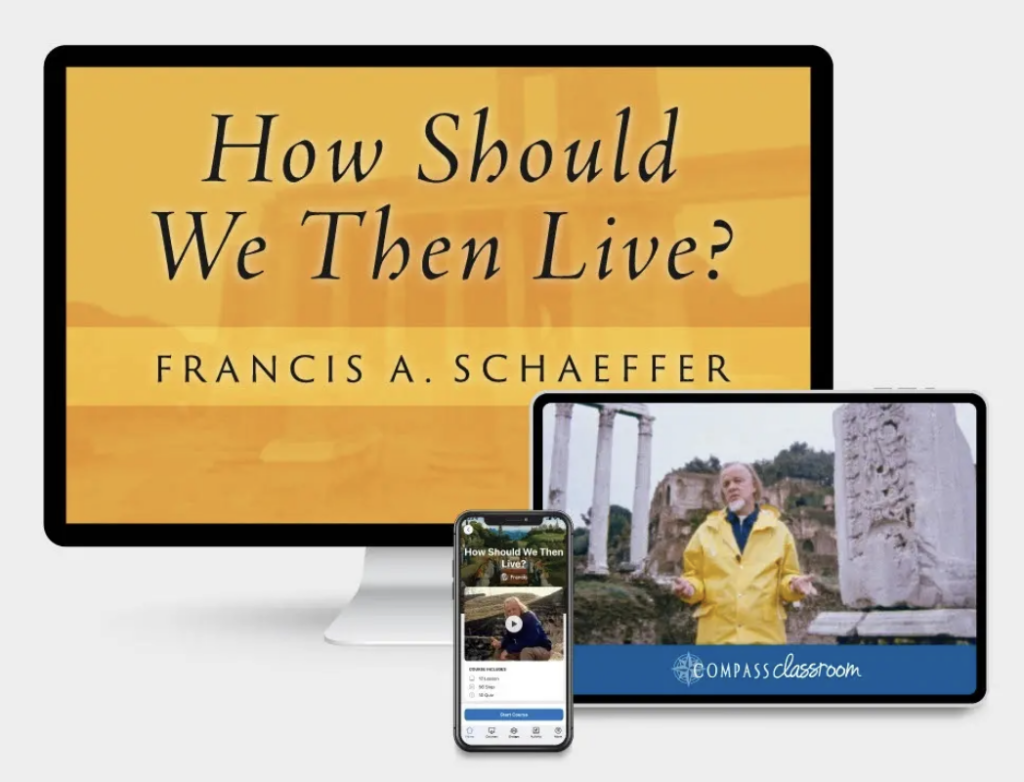
How Should We Then Live (11th) – Book by Francis Schaeffer and online course at Compass Classroom. This course goes through the videos and the book and provides quizzes, discussion and writing prompts, and further reading and research recommendations. “Dr. Francis Schaeffer traces the rise and decline of Western culture from a Christian perspective.”
Books for Group or Independent Reading and Discussion
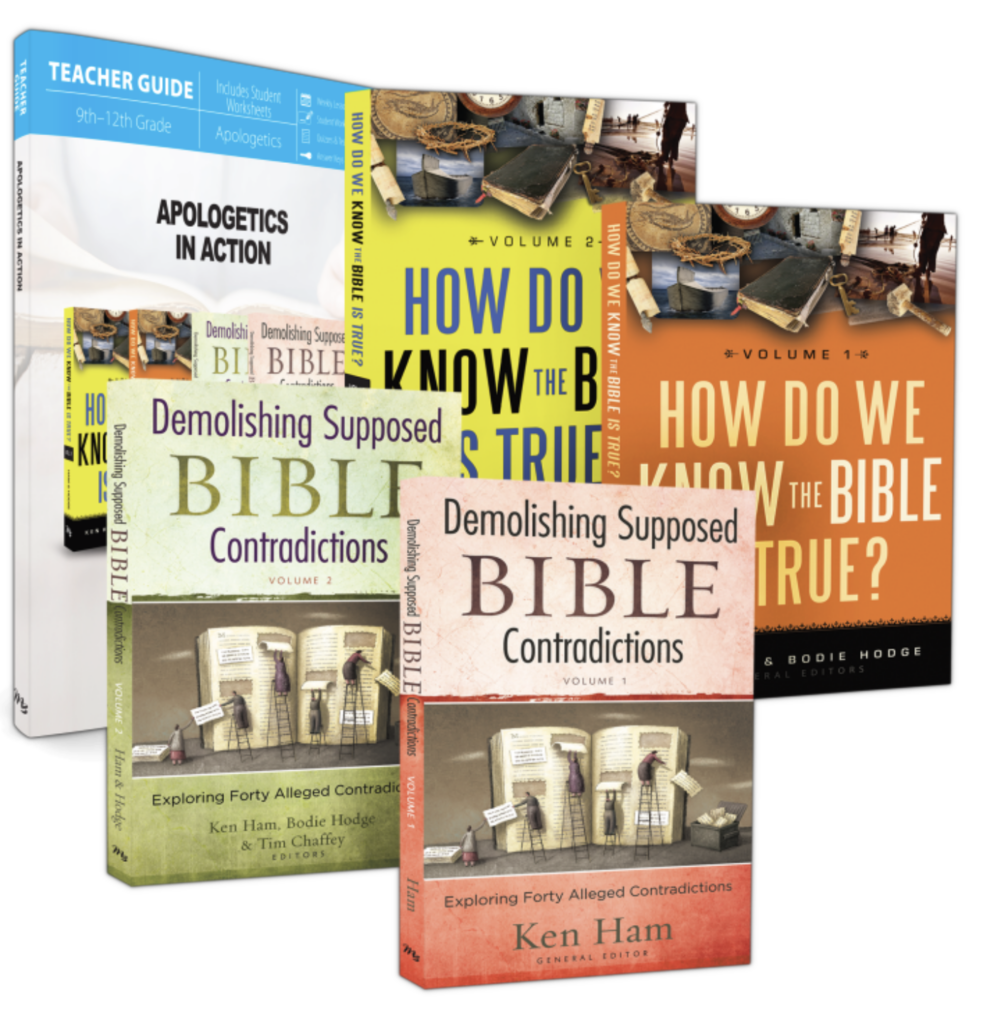
- Apologetics in Action books (not the workbook, just for reading and discussing) from Master Books
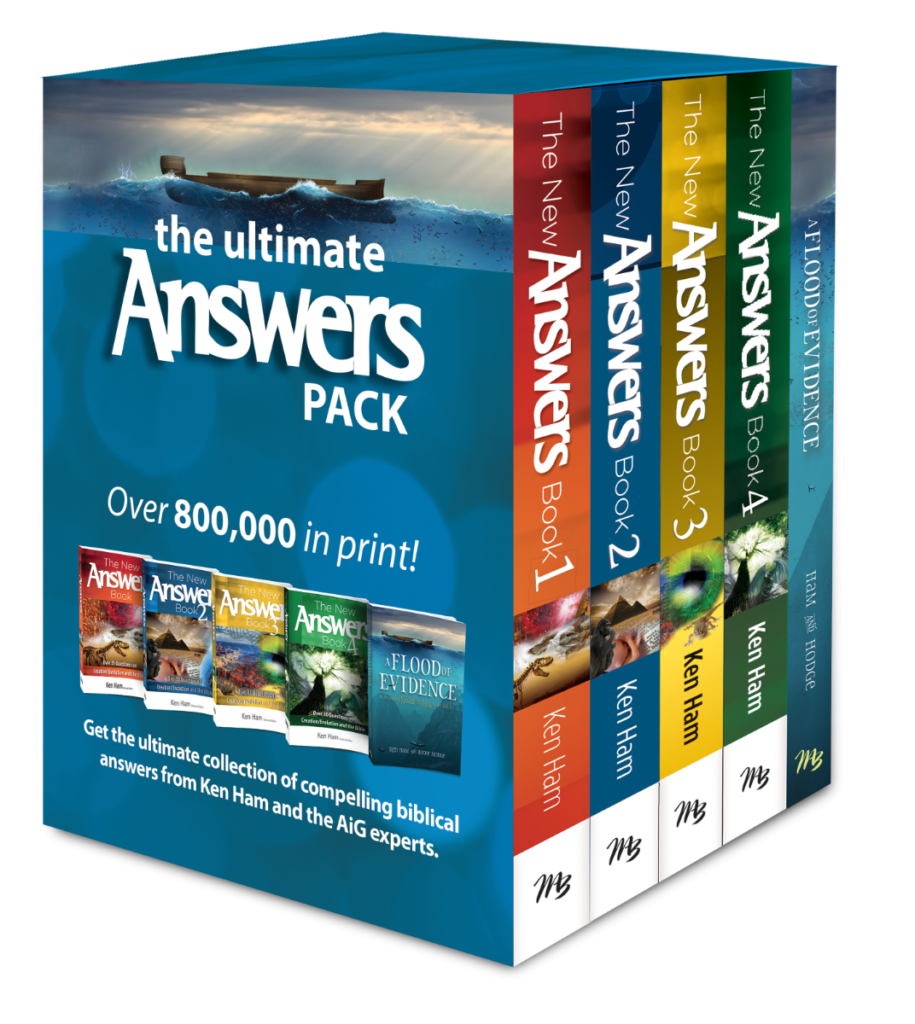
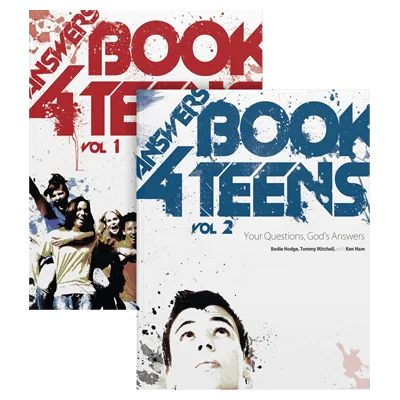
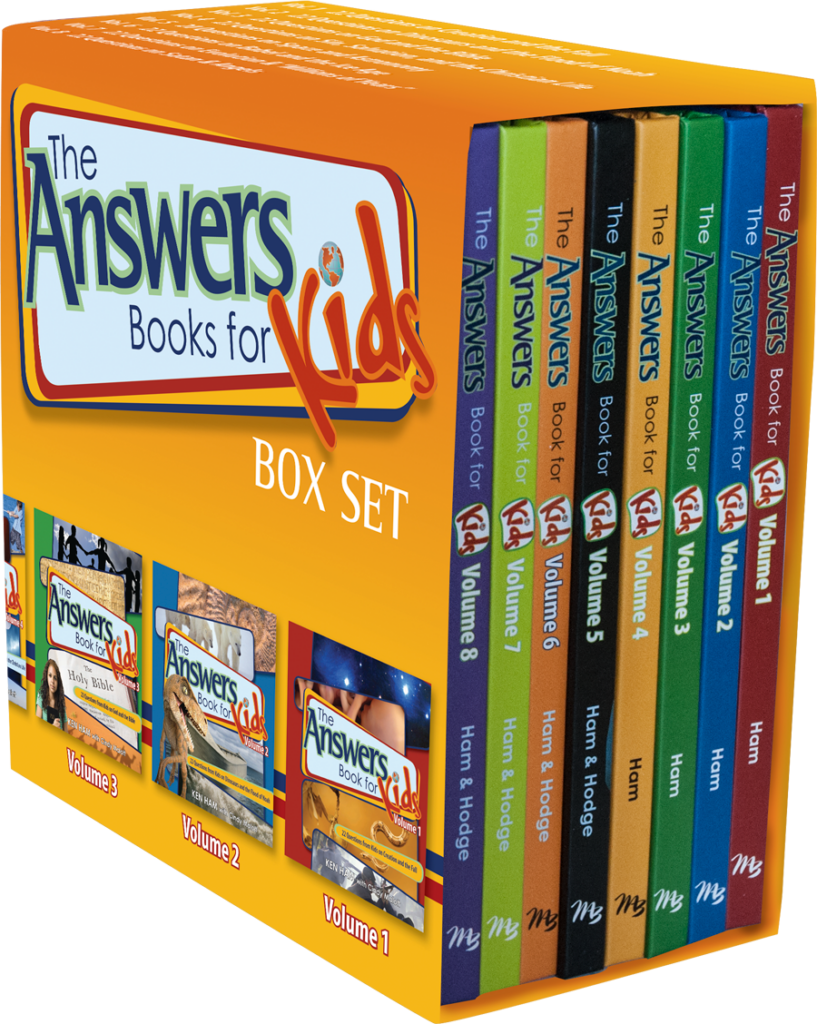
- Answers Books – Answers set for my oldest, Answers for Teens for 10th and 8th, and Answers for Kids for the youngers, or maybe as a group as part of morning Bible time.
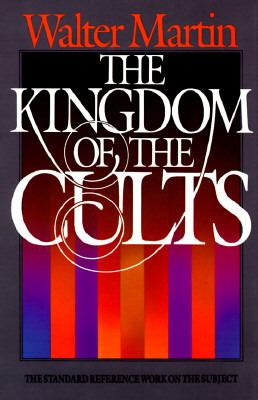
- Kingdom of the Cults book (selections, for 10th and 11th)
- The Case for a Creator, The Case for Christ, and we may dip into the “for kids” volumes of his series if the middle kids want more for independent reading

Our Curriculum by Grade
For those who prefer to see everything at a glance, here’s what each student is using this year.
(Again, keep in mind we school year-round and we don’t do all of these at once. We might save some for the summer, rotate things in a loop, etc.)
Group
- Bible: Bible Road Trip and AMO Bible studies
- Theology: Sound Words for Kids: Lessons in Theology
- Character: Portraits of Integrity (read and discuss)
- Current Events: World Watch news
- Biblical principles lessons (that I prepare, based on various key people, events, or topics that come up during the year)
- History: Learning American History Through Literature (literature selections and group activities) and reading through Discovering God’s Plan for America for children together
- Art: Foundations of Art: Bundle 2
- Art Appreciation: Intermediate level of Art Appreciation with Cornerstone Curriculum
- Music: American Music Online Course
- Other: Lots of read alouds and audiobooks for history, missionary biographies, literature, etc.
11th Grade
Bible: Bible Road Trip / AMO Bible studies / Sound Words for Kids (more in-depth assignments)
Apologetics: How Should We Then Live (11th), Worldview Academy (summer), and various apologetics readings (see section above)
Character: Polished Cornerstones (selected studies/projects)
English: The Lost Tools of Writing Level 1, LLATL Gold Book (American Literature), Wordsmith (selections, then full in summer), Notables Book Club with Lemons-Aid, Consistent Cursive
Math: Denison Algebra 2
History: Notgrass Exploring America 4th Edition + this timeline from Thinking Kids Press
Science: A course we’re putting together that includes Human Development from a Christian Worldview, Introduction to Psychology from a Christian Perspective, Body by Design, and Guide to the Human Body
Foreign Language: Dwayne Thomas Languages Membership – French 2
Electives: Home Economics I and Home Economics II + homemaking books, Computer Applications, Career Exploration, Adventures in Art: High School Level and related book(s), The Animation Course
10th Grade
Bible: Bible Road Trip / AMO Bible studies / Sound Words for Kids (more in-depth assignments)
Apologetics: Worldview Academy (summer) and various apologetics readings (see section above)
Character: Polished Cornerstones (selected studies/projects)
English: The Lost Tools of Writing Level 1 and LLATL Gold Book (American Literature), Wordsmith (selections, then full in summer), then looping Creative Writing Series with Compass Classroom and Consistent Cursive with her electives
Math: Denison Geometry
History: Notgrass Exploring America 4th Edition + this timeline from Thinking Kids Press
Science: Apologia Biology 2nd Edition
Foreign Language: Dwayne Thomas Languages Membership – German 1
Electives: Home Economics I and Home Economics II, Computer Applications, The Animation Course, Worldview Academy (summer)
8th Grade
Bible: Bible Road Trip / AMO Bible studies / Sound Words for Kids (notebooking for each one)
Apologetics: Various apologetics readings (see section above) and Worldview Academy (summer)
Character: Plants Grown Up (selected studies/projects)
Language Arts: IEW – Wonders of Science and Wordsmith (selections, then full in summer), then looping LLATL Green Book, All About Spelling, and Consistent Cursive
Math: Math-U-See Zeta, then Denison Pre-Algebra
History: Notgrass Exploring America 4th Edition
Science: The Mystery of History volume IV + one of these timelines
6th Grade
Bible: Bible Road Trip / AMO Bible studies / Sound Words for Kids (notebooking for each one)
Apologetics: Various apologetics readings (see section above) and free Worldview Foundations video series
Character: Plants Grown Up (selected studies/projects)
Language Arts: IEW – Wonders of Science and Wordsmith (selections, then full in summer), then looping LLATL Tan Book and A Reason for Handwriting
Math: Christian Light Education Math
History: The Mystery of History volume IV + one of these timelines
Science: Apologia Physical Science 2nd Edition
4th Grade
Bible: Bible Road Trip / AMO Bible studies / Sound Words for Kids (notebooking for each one)
Apologetics: Free Worldview Foundations video series
Character: Plants Grown Up (selected studies/projects)
Language Arts: IEW – Adventures in Writing, then looping LLATL Orange Book, All About Spelling, and Pentime level 3 and 4
Math: Math-U-See Gamma, then Delta
History: Story of the World (see my notes above on why this isn’t my favorite) + one of these timelines
Science: Science in the Age of Reason
Will We Actually Do All This?
That’s the question, right? 🙂 The answer is, no. After all these years I’m realistic enough to know that life happens and things may drop by the wayside. However, I have some things working for me:
- Most of my kids can now work fairly independently
- The co-op does take some things off my plate so that I can focus on certain priorities
- Many items/subjects use loop scheduling, so the days don’t get too full
So, my prayerful goal this year is to concentrate my time and energy on the things I most want to shape in our home: biblical discipleship, strong foundational skills, meaningful conversations, and excellent books.
We’ll see how the plan holds up once real life begins!
As always, I’ll share what works, what doesn’t, and what we change along the way.
Feel free to ask questions! Have a wonderful homeschool year. 🙂
~ Tauna
You Might Also Like..
Learn to use loop scheduling and download these free templates.