12 Homeschool Curriculum Picks We’ve Used the Longest

At the time of writing this, I have been homeschooling for about 15 years (unless we’re counting from birth… and then it’s 18!) After several years of homeschooling and teaching multiple children, I’ve learned that not every curriculum becomes a long-term fit.
Some resources work well for a season and some are helpful for one child but not another. That’s totally fine and I enjoy the variety and flexibility! Some, of course, look wonderful when we first buy them but don’t end up being something we keep around for the long haul.
Then there are the homeschool curriculum picks and resources that we just keep using year after year. They’re gold! And today I’m going to share my top list with you.
Disclosure: *This post may include affiliate links. As an affiliate, I earn from qualifying purchases. Read the disclosures and terms for more information.
This post is sponsored by Christian Light Education, and it may contain sponsored and/or affiliate links. CLE Math is included here because it is truly one of the curriculum choices we have used the longest in our homeschool!
Our Longest-Used Homeschool Curriculum Picks
Now, I’m the first person to see a shiny new curriculum and go off researching it. I love to know what’s out there and what options are available to my family and yours!
But what makes a curriculum *stick* in our homeschool? They are the ones that have lasted because they are practical, flexible, effective, and realistic for real homeschool life.
Whether we’ve used them exclusively or with different kids for different needs, these picks have had the longest stay on our homeschool shelves.
So, here are the top 12 longest-used homeschool curriculum picks and resources for our family!
1. Christian Light Education Math
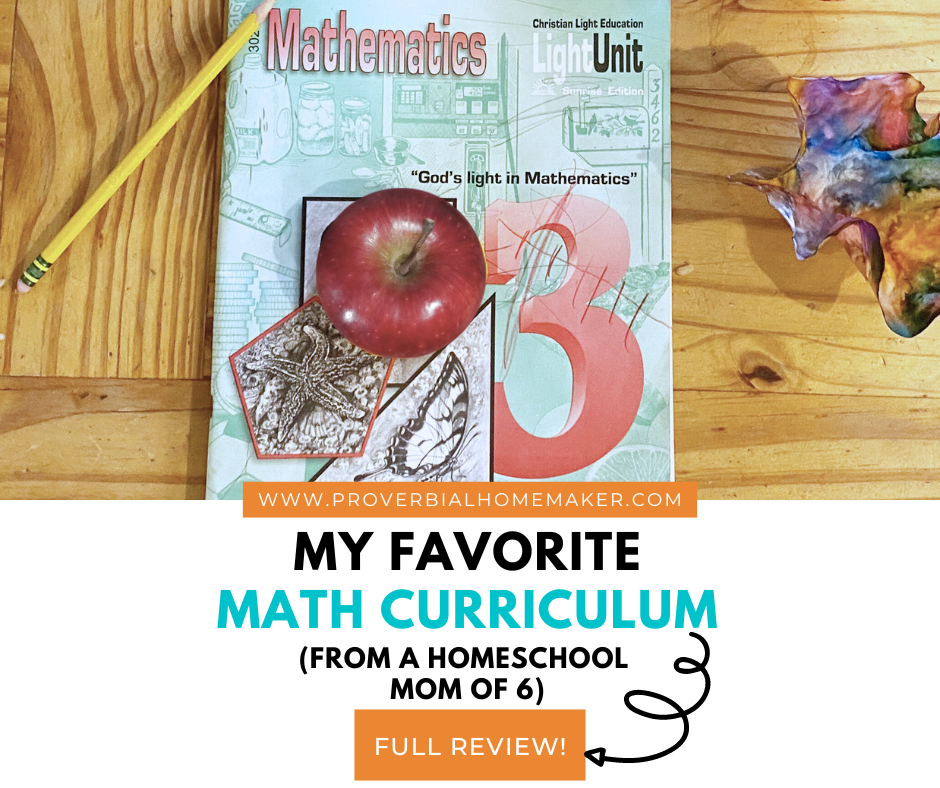
Christian Light Education’s Sunrise Math series has been one of the steadiest curriculum choices in our homeschool.
One of the things I appreciate most about CLE Math is that it is clear, consistent, and thorough. If I have to make a big production over a subject every day and pull out all kinds of materials to prep, it’s less likely to happen at all. CLE Math keeps things simple and straightforward.

My kids also like this math curriculum, especially my two math-minded boys. The workbook format helps them grow in independence, and they enjoy the feeling of several “wins” that happen when they complete each workbook in a level.
Each lesson introduces a new concept that and then gives them ample practice in what they’ve already learned. The incremental steps and built-in spiral review has been a great balance.
Main Features of Christian Light Education Math:
- Builds a strong mathematical foundation
- Incorporates Christian values
- Simple and effective design, without distracting colors
- Introduces new concepts in bite-sized, incremental steps
- Uses a spiral approach for continuous review
- Uses a spiral incremental approach,
- Structured into LightUnits, which are small, manageable booklets that prevent overwhelm and gives kids easy milestones to achieve.
>> Read my full review of Christian Light Education Math here!
2. Bible Road Trip
Bible Road Trip has been one of the most-used resources in our homeschool and family discipleship. It is a 3-year survey of the Bible Pre-K through 12th grade that helps us stay intentional about reading and discussing Scripture together. There are different levels of learning so younger children and older students can all study the same portion of Scripture at their own level.

It is also what I would call a “buffet curriculum.” There are many activities, notebooking pages, memory cards, projects, videos, books, crafts, research assignments, and other ideas available, but we do not try to do everything. We use what fits our family’s goals and the season we are in. If nothing else happens in our Bible time, the foundation is simple: read the Scripture and talk about it.
Main Features of Bible Road Trip:
- 3-year survey of the Bible for Pre-k through 12th
- Helps families read and discuss Scripture together
- Can be used as homeschool Bible curriculum or family discipleship
- Includes Bible reading, discussion, memory cards, notebooking, activities, videos, books, crafts, projects, and research options
- Works well for family-style homeschooling with multiple ages
- Flexible “buffet curriculum” format so you can use what fits your family
>> Read my full review of Bible Road Trip here!
3. Music in Our Homeschool
I love Music in Our Homeschool because it’s an easy (easy easy) way to include music appreciation, hymns studies, and more into our homeschool without having to plan ahead at all. Plus it’s FUN! My kids have enjoyed all of the courses and still talk about the “Classical Music with Cartoons” one. 🙂
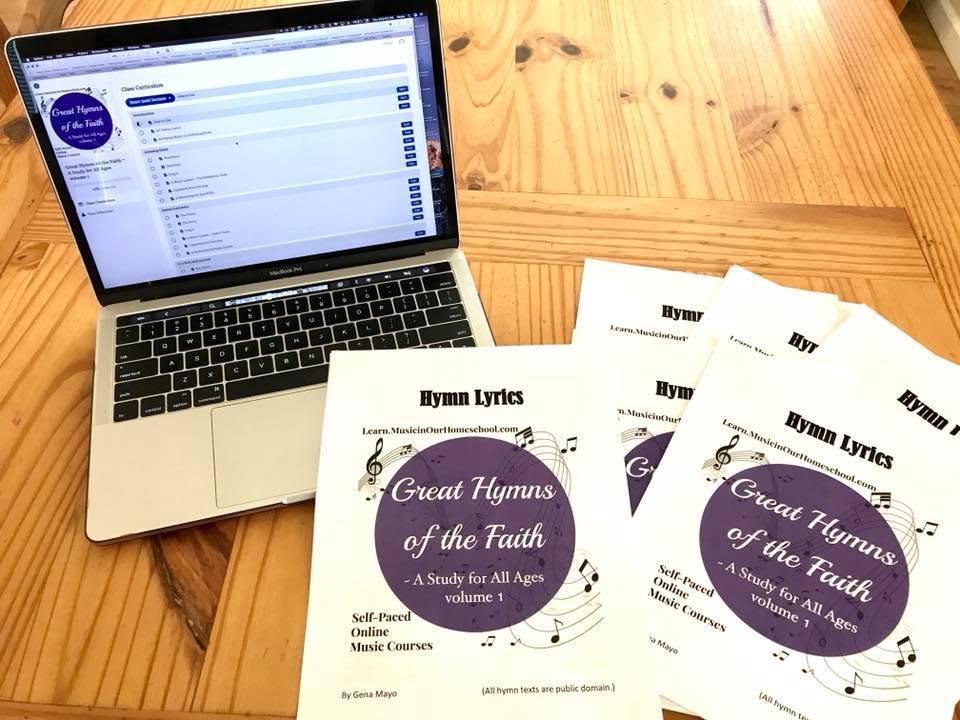
I like that Music in Our Homeschool is easy to just plug into our homeschool rhythm. We can use it during morning time, as part of our Friday “riches,” or as an independent enrichment option for older kids (there’s even a Shakespeare course one of my daughters took).
Main Features of Music in Our Homeschool:
- Helps families include music appreciation and fine arts more consistently
- Offers ready-to-use lessons with minimal prep
- Works well for morning time, loop schedules, enrichment, or independent learning
- Includes topics such as hymn study, composer study, music appreciation, and music history
- Flexible enough to use with multiple ages
- Helpful for moms who value music but need a simple plan to make it happen
4. Notebooking Pages
We’ve used notebooking as a tool in our homeschool across several subjects and grades. It’s used to help kids process, communicate, and document what they are learning about a particular topic.
For example, we might use notebooking pages to record facts, biblical principles, map work, and important take-aways from a history lesson. The same kind of thing can be done for lessons on Bible, science, art, literature, and more!
Notebooking Pages is a huge online repository of notebooking page templates for a variety of homeschool subjects and topics. I love it because I can quickly search for a topic and often find the notebooking pages I need for the lesson I’m doing in 10 minutes! It works especially well for family-style homeschooling because multiple children can study the same topic while using pages that fit their level.
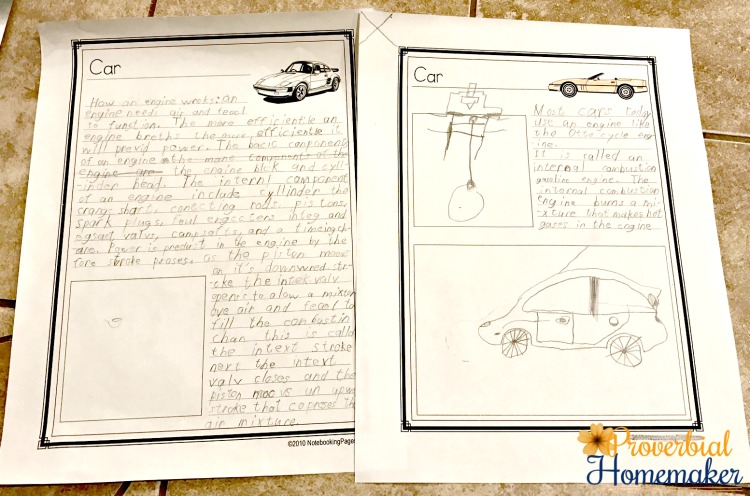
Could I make my own notebooking pages? Sure! But I really like having the Notebooking Pages membership on hand and it saves me time over making my own. If I can’t find what I was looking for, our membership includes the Page Generator feature that allows me to create pages that perfectly fits my needs. Pretty slick!
Pst… if you want to check it out, there’s a free library of pages you can try here.
Main Features of Notebooking Pages:
- Large online library of printable notebooking pages
- Easy to search by topic or subject
- Helpful when you need a notebooking page quickly for a lesson
- Flexible layouts for different ages and writing abilities
- Can be used with curriculum you already own
- Supports narration, copywork, research, map work, summaries, and written responses
- Saves time compared to making your own notebooking pages from scratch
>> Read my full review of Notebooking Pages here.
5. All About Spelling
All About Spelling uses the Orton-Gillingham method with a multi-sensory, step-by-step approach. It teaches phonograms, spelling rules, and patterns instead of assuming children will simply absorb spelling by seeing words often enough.
Now, we’ve bounced around quite a bit with spelling. Some of my kids didn’t need extra spelling support but several of them did. We just keep coming back to All About Spelling, especially for the kiddos with dyslexia. The first time I tried it I didn’t like it because I couldn’t handle the tiles (we lose things… I know, we have issues). But when I learned about the tiles app they provide, it was a game-changer and we’ve been using it ever since.
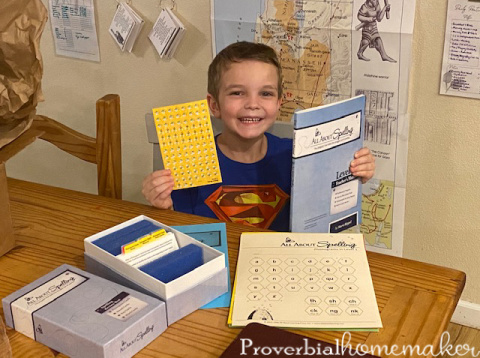
It does require parent involvement, but the lessons are short, the scripted teacher’s manual is helpful, and the flashcard review system makes it easy to implement. It’s hands-on because students can build words with letter tiles or use the Letter Tiles App, in addition to writing words that are dictated.
Bottom line: it works! It has been worth the effort to use it consistently.
Main Features of All About Spelling:
- Uses the Orton-Gillingham method
- Teaches phonograms, spelling rules, patterns, dictation, and review
- Uses a multisensory, step-by-step approach
- Short lessons usually take about 15–20 minutes
- Includes a scripted teacher’s manual and flashcard review system
- Uses letter tiles or the Letter Tiles App for hands-on practice
- Works well for a variety of ages and levels
- Helpful for struggling spellers, dyslexic students, and children who need explicit spelling instruction
>> Read my full review of All About Spelling here.
Watch the Video: 5 Homeschool Curriculum Favorites We’ve Used the Longest
I shared about the first five resources the video below, including why Christian Light Education Math has been such a steady, long-used choice in our homeschool.
Now here are seven more homeschool curriculum picks and resources we have used for years!
6. Sound Words for Kids: Lessons in Theology
I created Sound Words for Kids: Lessons in Theology for our own family. I wanted a resource that helped us be more intentional with biblical doctrine and discipleship in our home without making it overly complicated. It was also important to me that it worked for multiple ages.
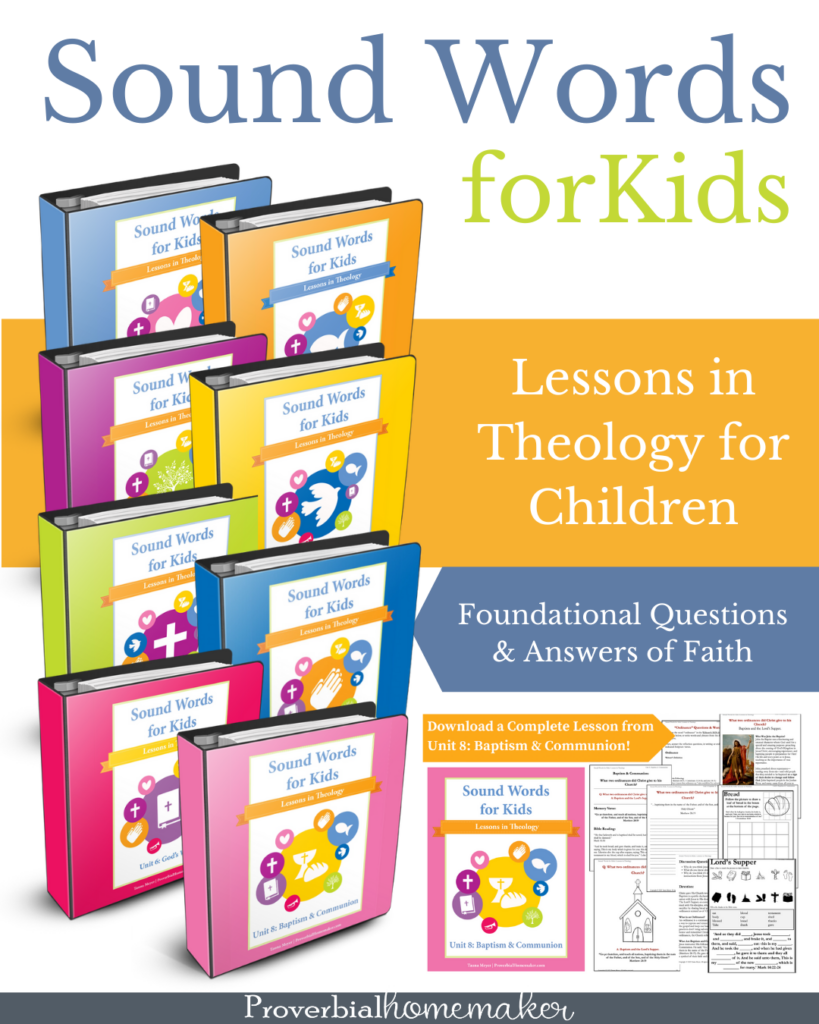
The Sound Words for Kids curriculum teaches the essentials of the Christian faith to children and can be used for family devotions, homeschool curriculum, or in Sunday schools and co-ops. The curriculum follows a catechism style, meaning it uses a questions and answer format to help kids memorize each lesson’s main point.
Main Features of Sound Words for Kids: Lessons in Theology:
- Teaches theology and foundational truths of the Christian faith to children
- Uses a catechism-style question-and-answer format to help kids memorize each lesson’s main point
- Includes Scripture memory and discussion
- Flexible enough to use with multiple ages
- Each unit focuses on a specific theology topic, such as God, creation, salvation, Christ and His work, God’s Word, baptism, communion, and more
- Includes copywork, activities, and optional Scripture & Theology Cards for memorization support
- Available with ESV and KJV options in the full curriculum
7. The Mystery of History
We’ve bounced around quite a bit with history, but we’ve had The Mystery of History from the beginning and it continues to make regular appearances in our homeschool (some of my kids will be using it again in the fall for co-op).
What I appreciate most is that it weaves biblical history and world history into one chronological story. We also like the writing style, the fact that it can be used with multiple ages, and the short but meaningful lessons. We a use it as our main curriculum, along with other resources, or to pull together our own crash course for a particular time period over the summer.
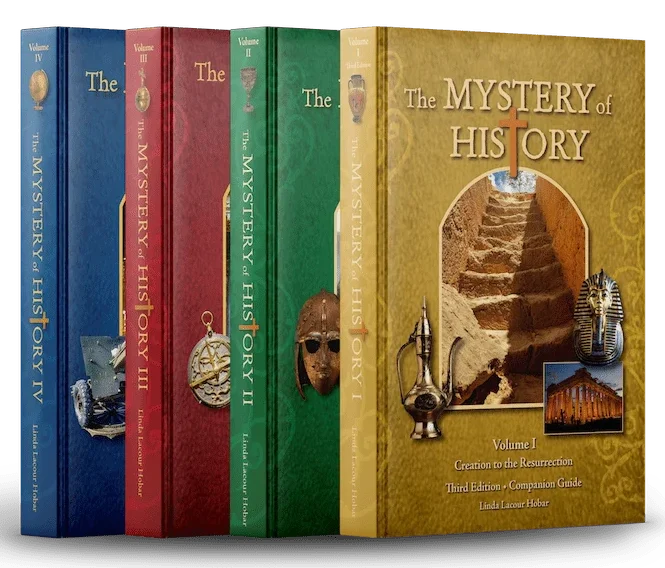
I also appreciate that it can be adjusted without losing its usefulness. Some years, we have used it as our main history spine with timeline work, maps, notebooking, read-alouds, and projects. Other years, we have kept it simple with the lesson readings and discussion. For our family, it has been a solid way to teach multiple ages, keep history connected, and approach the past from a biblical worldview.
Main Features of The Mystery of History:
- Chronological world history curriculum
- Connects biblical history and world history
- Written from a Christian worldview
- Works well for family-style homeschooling with multiple ages
- Includes, timeline work, maps, activities, quizzes, and tests, if desired
- Flexible enough to use lightly or more fully depending on the season
- Supports narration, notebooking, research, projects, and discussion
- Helpful as a history spine with optional supplemental books and activities
8. Teach Your Child to Read in 100 Easy Lessons
Each of my children have gone through Teach Your Child to Read in 100 Easy Lessons. While 2 of them (dyslexic) needed extra support and reading programs after that, the other 4 took off on their own and thrived as readers.
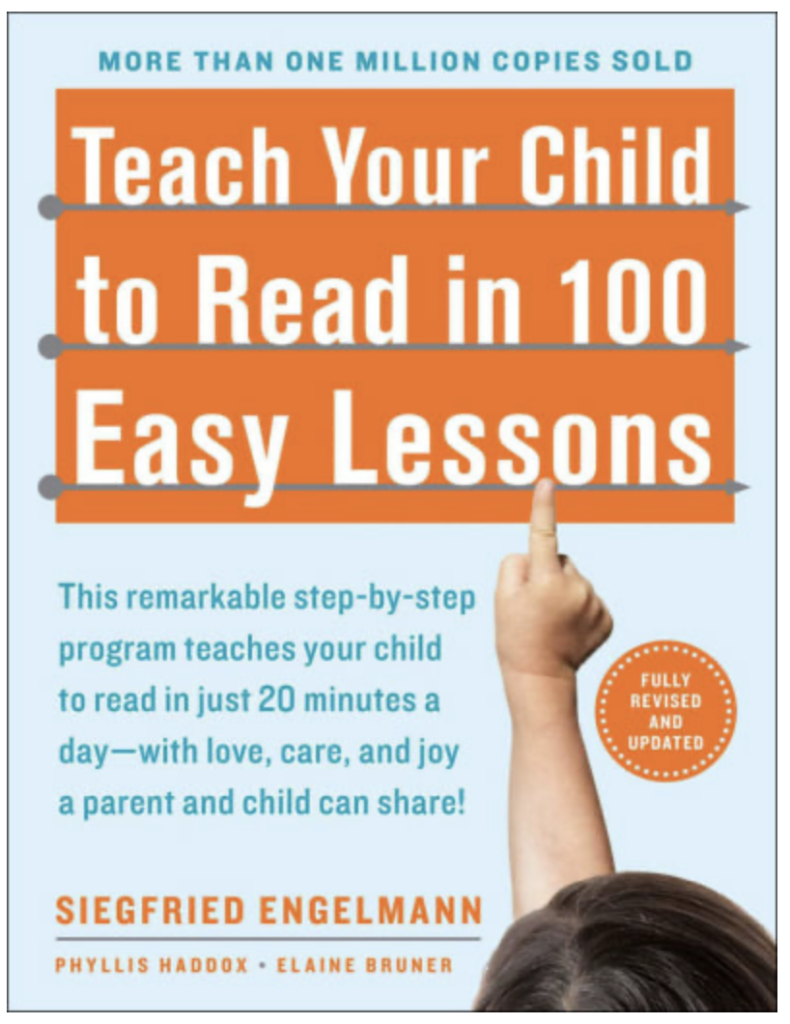
It has been one of our long-used early reading resources because it is simple, inexpensive, and straightforward. It gives you a clear path for teaching phonics, blending, and beginning reading without requiring a lot of prep or extra materials.
Tips for use: Skip the handwriting part. Also, print off a “hundreds chart” and use stickers to mark progress, with a fun prize when all the lessons are completed.
Main Features of Teach Your Child to Read in 100 Easy Lessons:
- Simple beginning reading program
- Direct, scripted lessons
- Teaches phonics, blending, and early reading skills
- Requires very little prep
- Inexpensive and open-and-go
- Can be slowed down or adjusted as needed
- Includes reading practice within the lessons
9. A Reason for Handwriting
A Reason for Handwriting has been one of our long-used handwriting resources because it is simple, steady, and Scripture-based. The lessons are easy to assign, and I appreciate that the handwriting practice often leads into writing out a Bible verse.
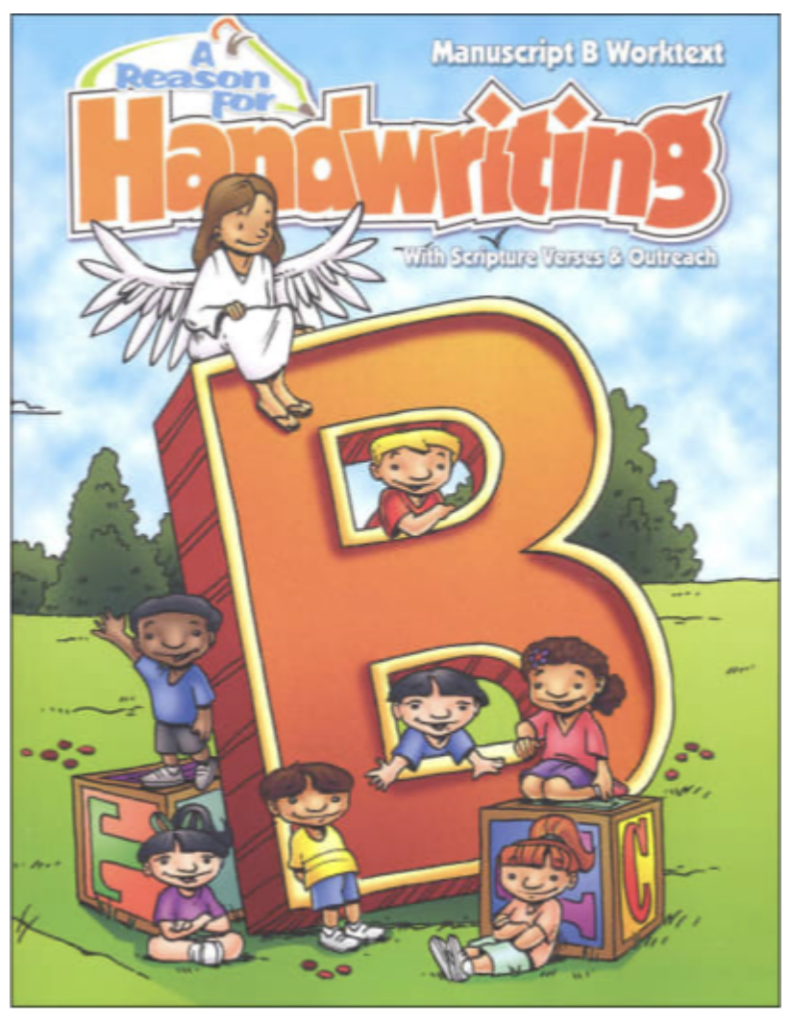
Handwriting is not the most exciting subject in our homeschool, but it is still important. This has given us a straightforward way to practice letter formation, neatness, and careful written work without adding a lot of extra planning.
Main Features of A Reason for Handwriting:
- Simple handwriting curriculum
- Scripture-based copywork
- Easy to assign and use consistently
- Helps students practice letter formation and neatness
- Includes regular handwriting practice without a lot of prep
- Available for multiple handwriting levels
- Useful as an independent or lightly supervised subject
10. Character Concepts
Character Concepts has remained a favorite in our homeschool because it teaches biblical character through memorable stories kids enjoy. Instead of feeling like a lecture, the lessons give children examples they can remember, talk about, and connect to real-life choices.
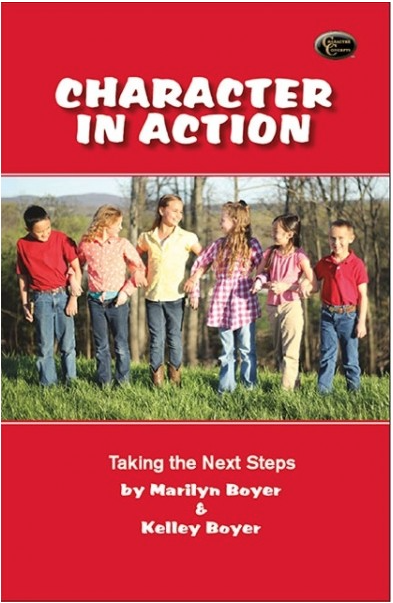
I appreciate that the stories give us a natural way to discuss obedience, diligence, honesty, responsibility, kindness, self-control, and other character traits from a biblical perspective. Of course, no curriculum can change a child’s heart. Only the Lord can do that. But good stories can help open the door for meaningful conversations about heart issues, choices, consequences, and growth.
Main Features of Character Concepts:
- Story-based biblical character training
- Memorable stories kids enjoy and remember
- Includes Scripture, discussion, and practical application
- Helps teach traits such as obedience, diligence, honesty, responsibility, kindness, and self-control
- Works well for family discipleship, homeschool, or morning time
- Useful for multiple ages
- Encourages conversations about heart issues and everyday choices
- Helps connect character lessons to real-life situations
- Flexible enough to use regularly or as needed
11. Before Five in a Row / Five in a Row
My absolute favorite curriculum for tots through early elementary is Five in a Row (and Before Five in a Row for the littlest ones). They have been such a sweet resources for the younger years because they are built around wonderful children’s books and simple, memorable lessons. Instead of juggling a separate curriculum for every subject, you read the same picture book several days in a row and use it as a springboard for discussion, activities, and learning.
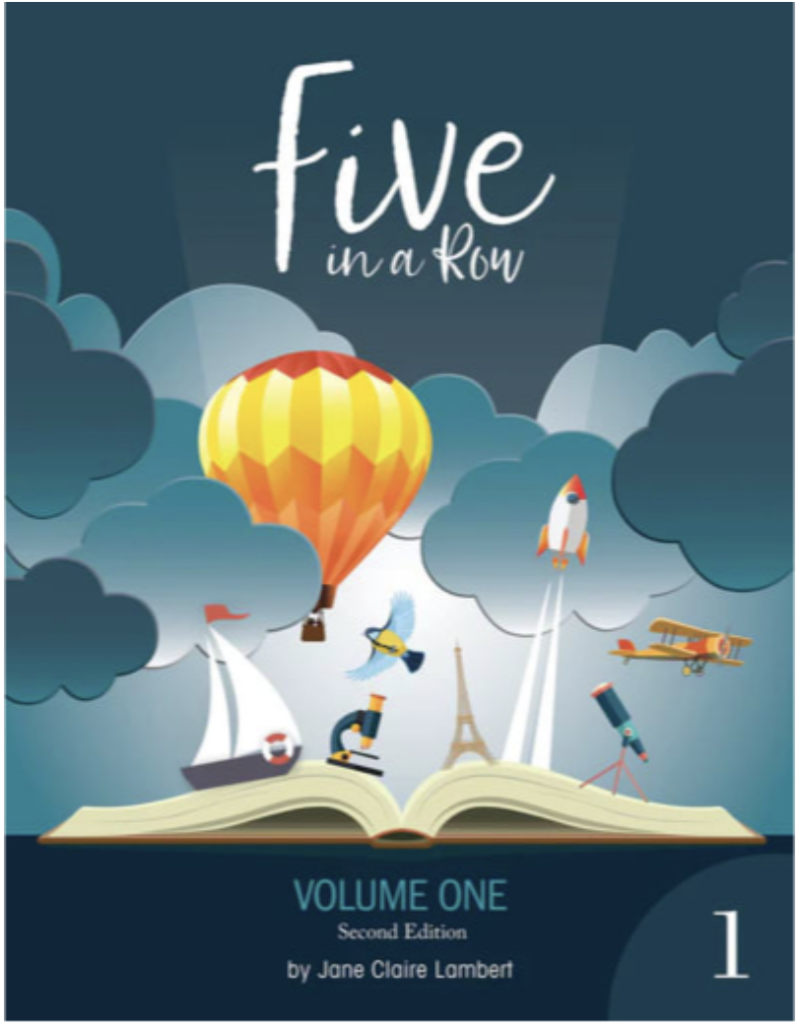
I appreciate how gentle and relational it is. The lessons can include literature, social studies, science, art, language arts, Bible, and hands-on activities, but it still feels like reading and learning together rather than forcing a heavy school day on young children. It has been a good fit for those early years when I want to build a love of learning, enjoy good books, and keep things simple.
Main Features of Five in a Row:
- Literature-based curriculum for young children
- Uses quality picture books as the foundation for learning
- Gentle, relational, and easy to adapt
- Covers subjects like literature, social studies, science, art, language arts, and Bible
- Encourages discussion, observation, narration, and hands-on activities
- Can be expanded with extra books, notebooking, field trips, or projects
- Helpful for building a love of books and learning
- Works well for family-style homeschooling with younger children
12. Doorposts
Doorposts has been one of the most practical helps in our home for biblical parenting and discipleship. I especially appreciate For Instruction in Righteousness, Plants Grown Up, Polished Cornerstones, and the behavior charts because they give me Scripture-based tools for the real issues that come up in family life.
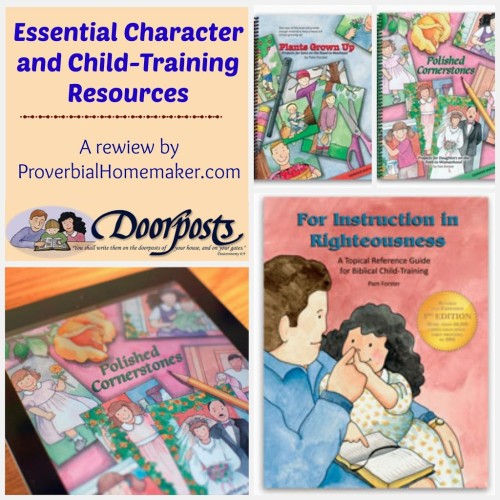
For Instruction in Righteousness is a topical Bible reference for parents, organized around common areas of sin and character struggles. It helps me quickly find Scripture, teaching ideas, and practical ways to address heart issues instead of just reacting in the moment.
Plants Grown Up and Polished Cornerstones go deeper with Bible studies, projects, and practical activities for helping sons and daughters grow in godly character and life skills.
The charts (like the If/Then Chart and the Brother Offended chart) are especially helpful for everyday use because they give simple, visual reminders for discipline, reconciliation, diligence, putting off sin, and putting on righteousness.
NOTE: The same company makes Mama’s Refill, an online Bible study resource for busy moms. It’s VERY good. Highly recommend! Many of the studies include kids activities as well.
Main Features of Doorposts:
- Bible-based parenting and character training resources
- Helpful for addressing heart issues, habits, sibling conflict, diligence, obedience, and responsibility
- Works well for family discipleship, homeschool, parenting, and character training
- Can be used regularly or pulled out as specific issues arise
- Encourages parents to bring correction and training back to Scripture
Final Thoughts
Curriculum is a tool. It cannot do the work of homeschooling for us. It cannot disciple our children for us. It cannot replace faithfulness, relationship, prayer, consistency, or wisdom. But the right tools can support the work!
What homeschool curriculum or resource has your family used the longest? Why do you love it?
~ Tauna
You Might Also Like…
My Favorite Math Curriculum (From a Homeschool Mom of Six)